
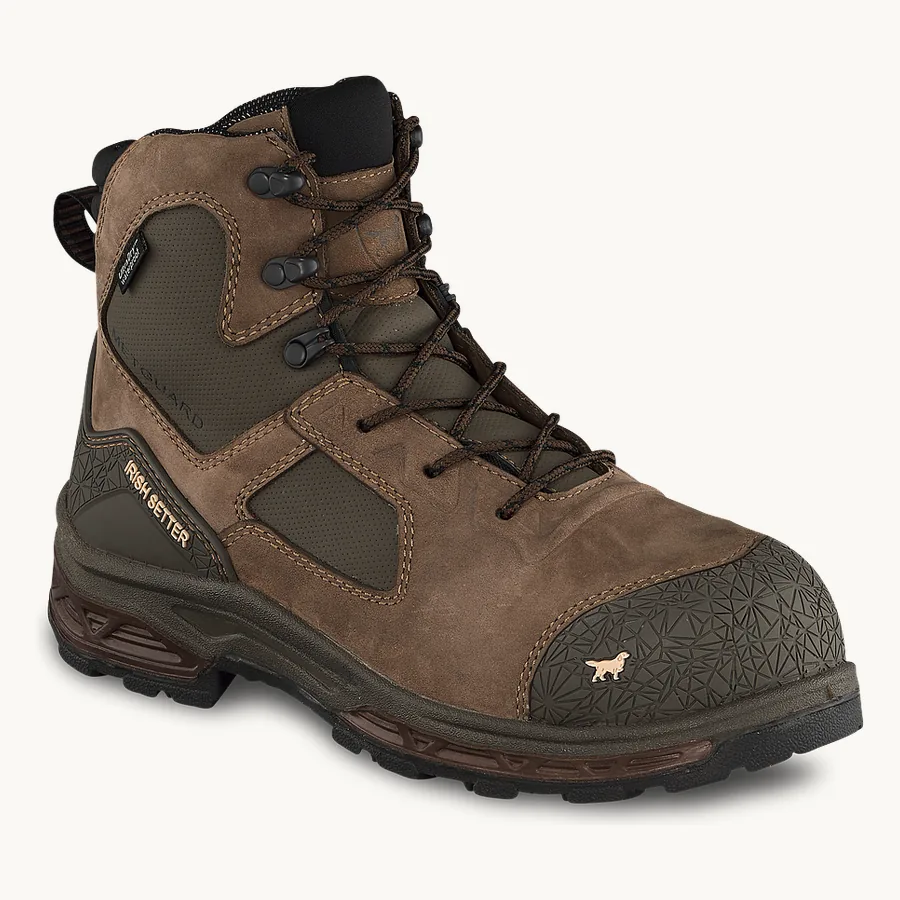
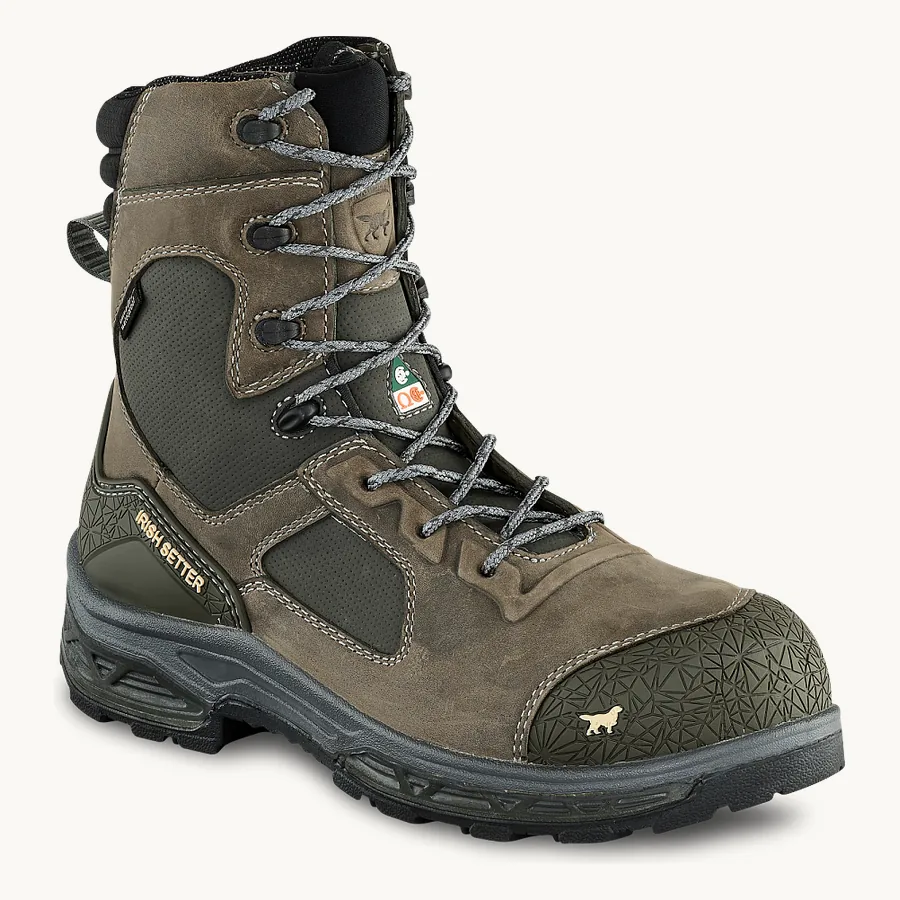
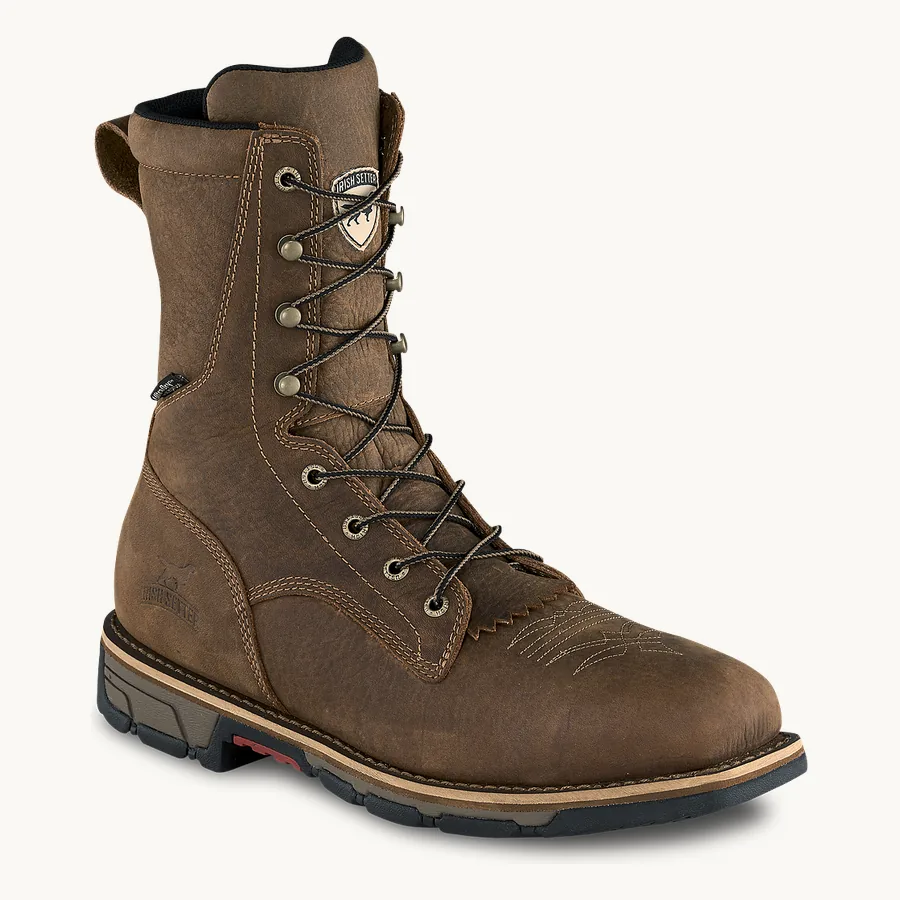
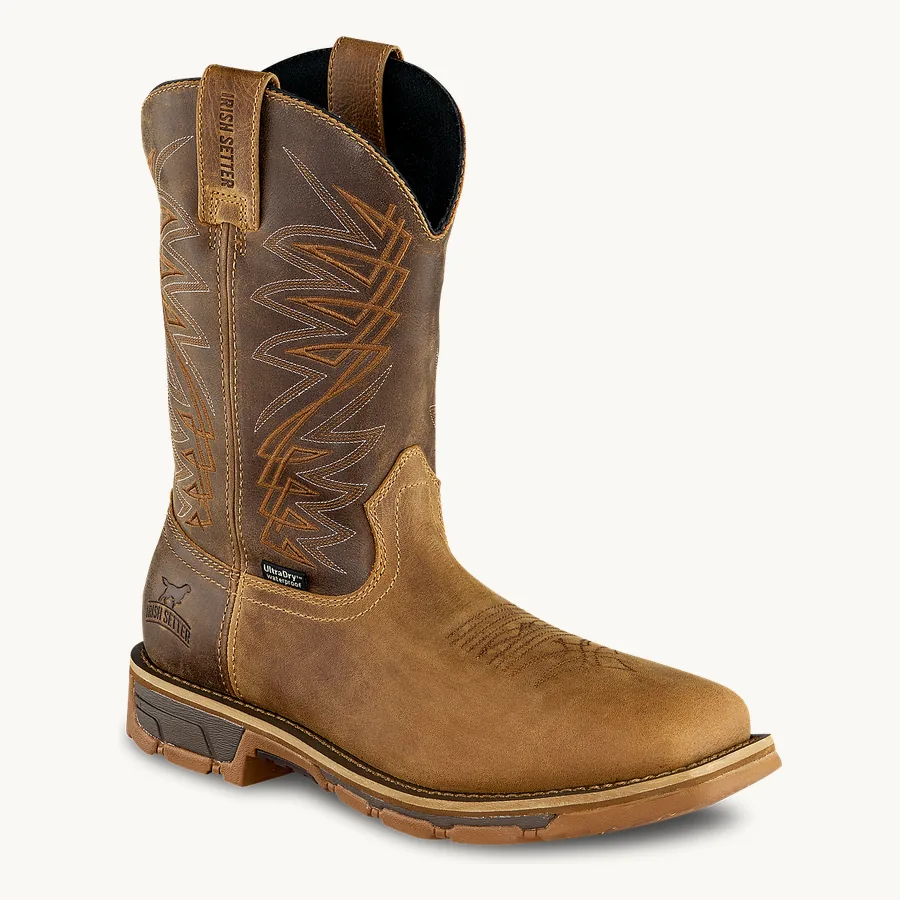
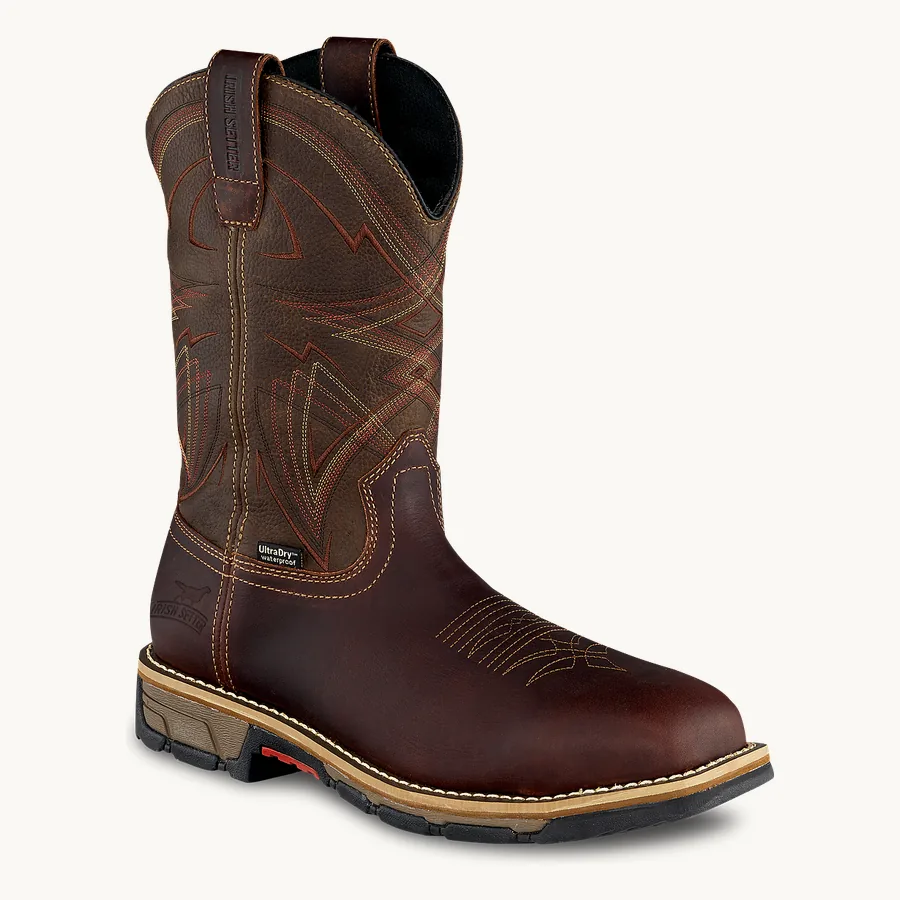
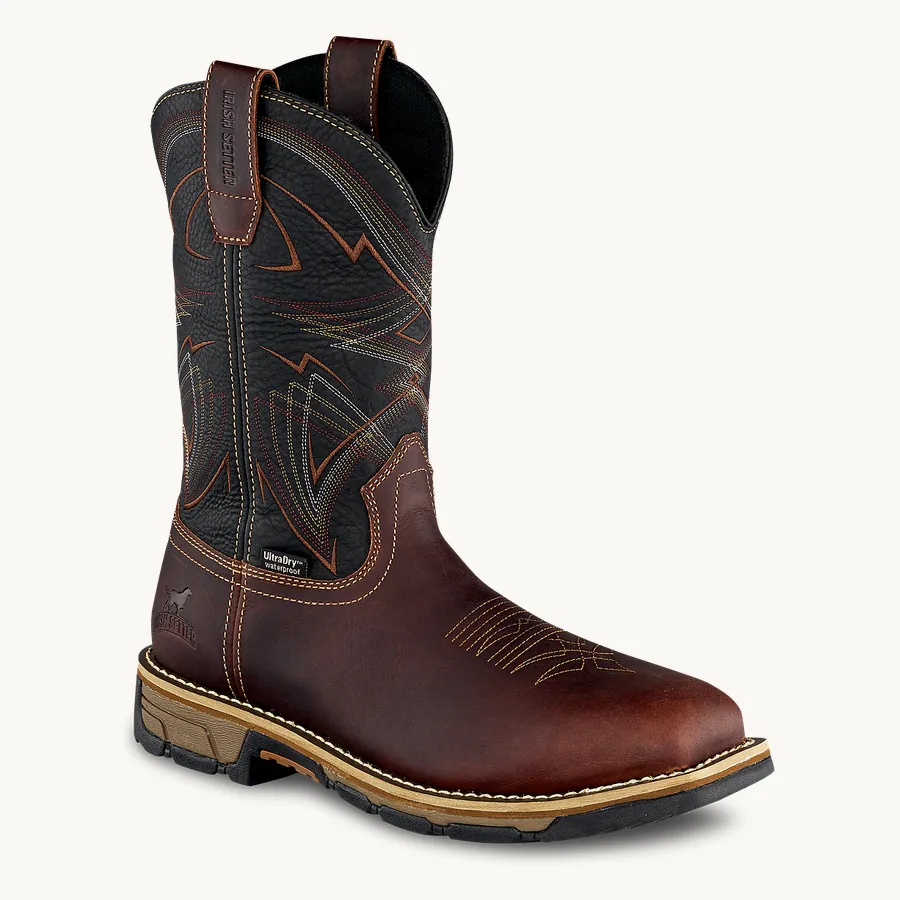
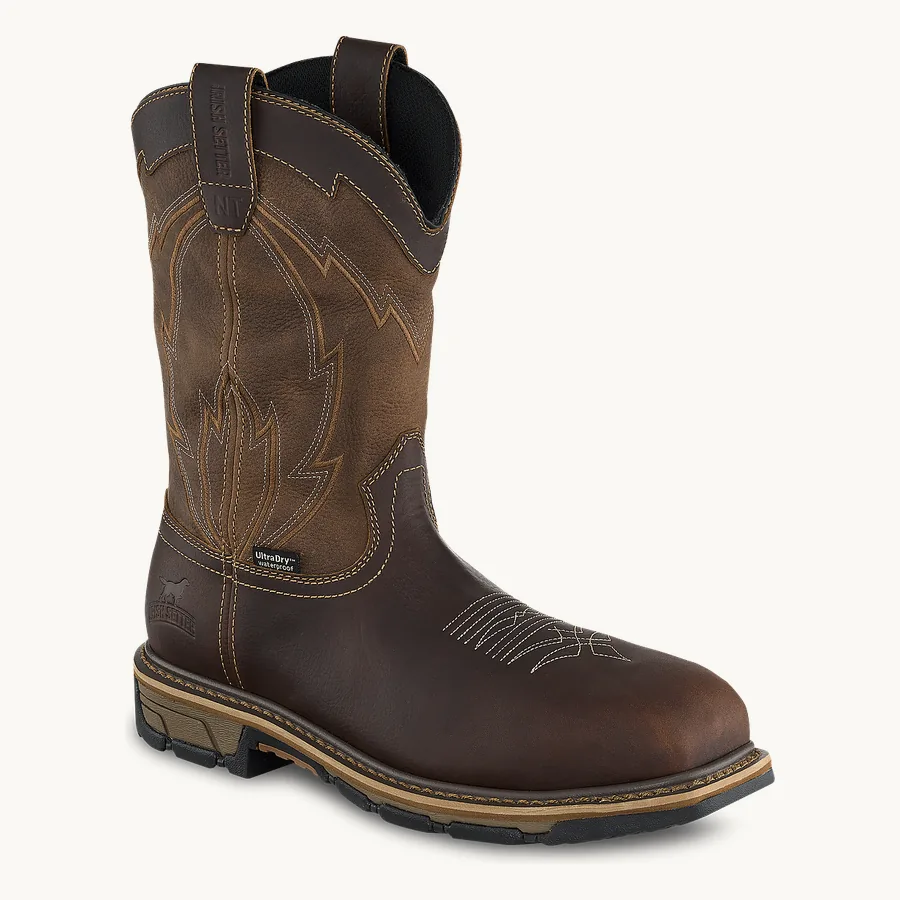
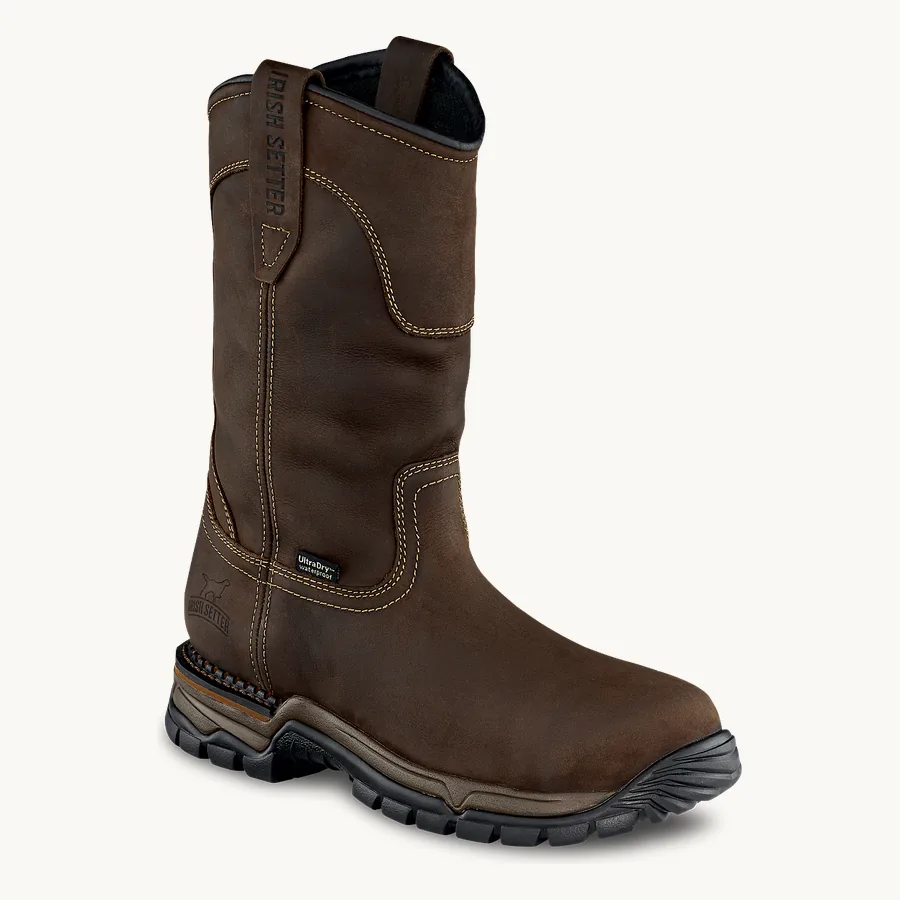
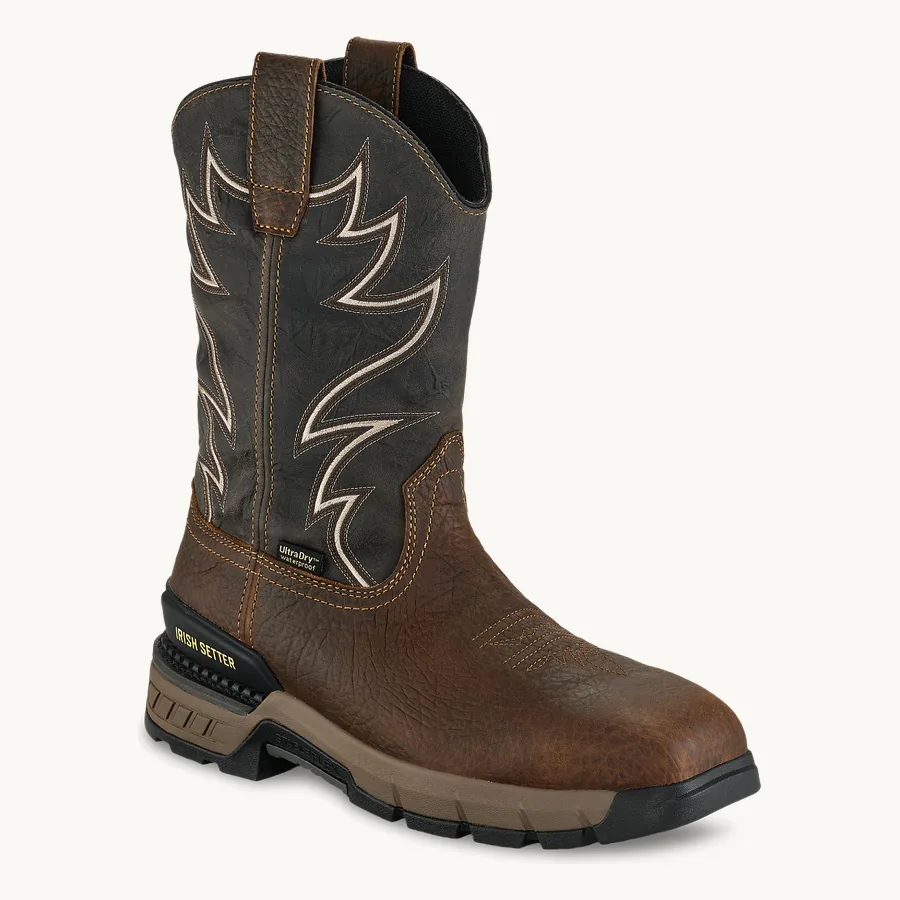
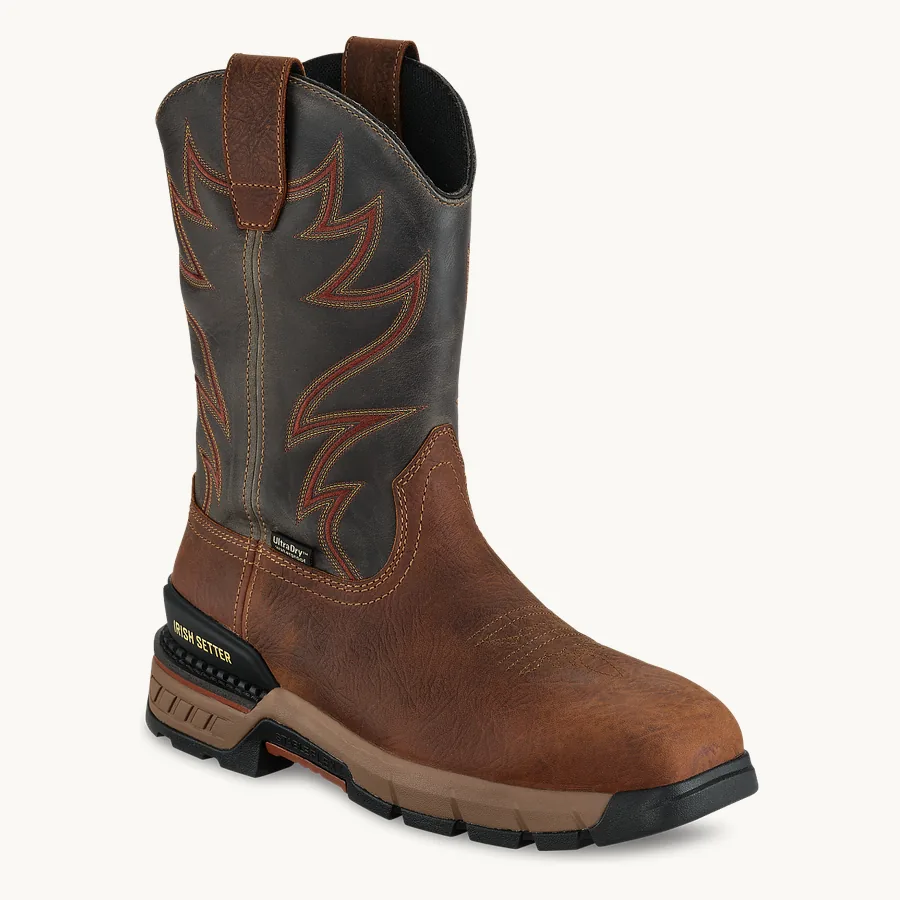
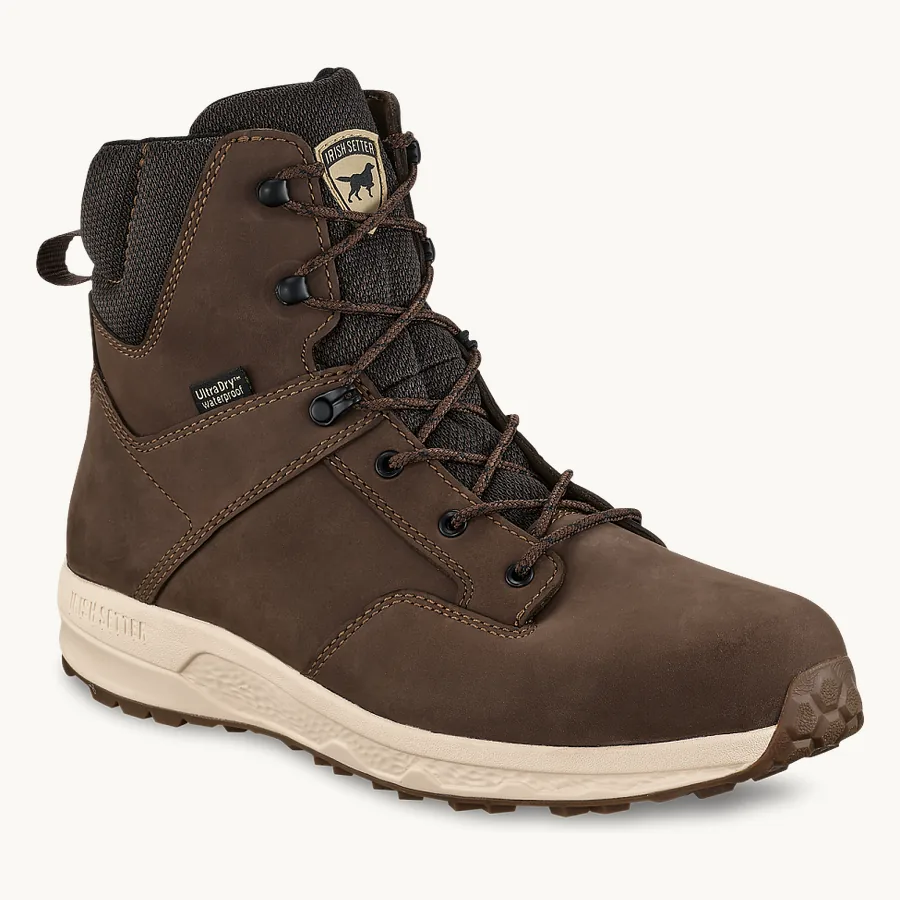
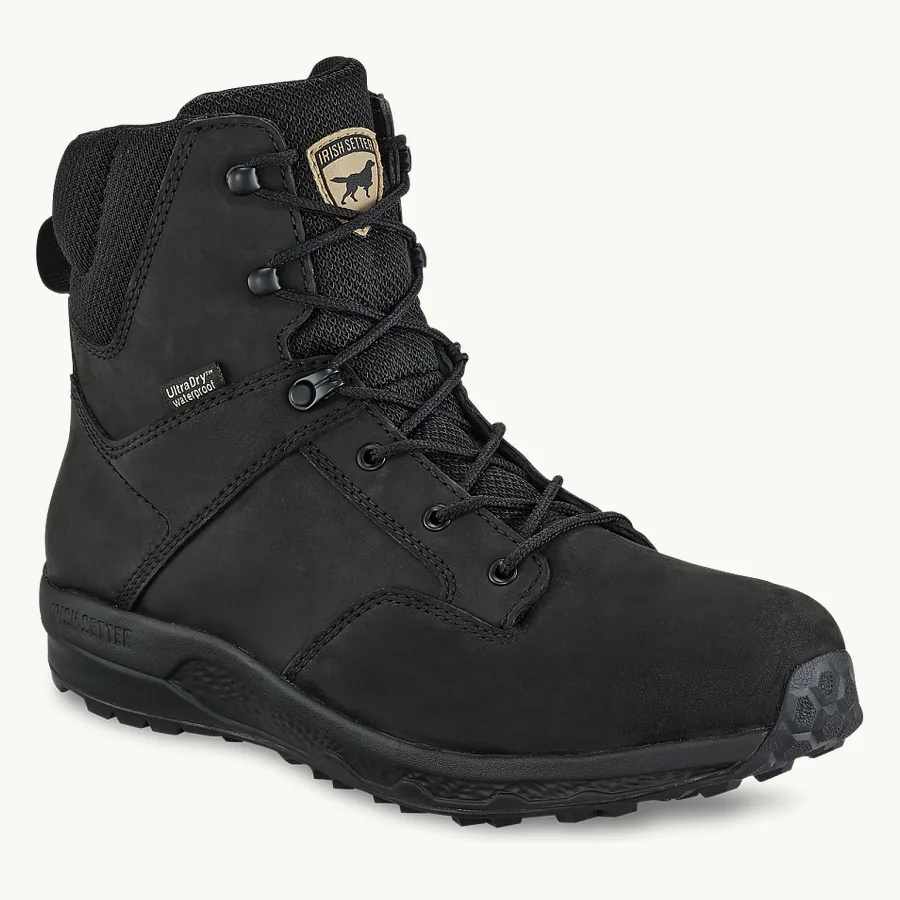
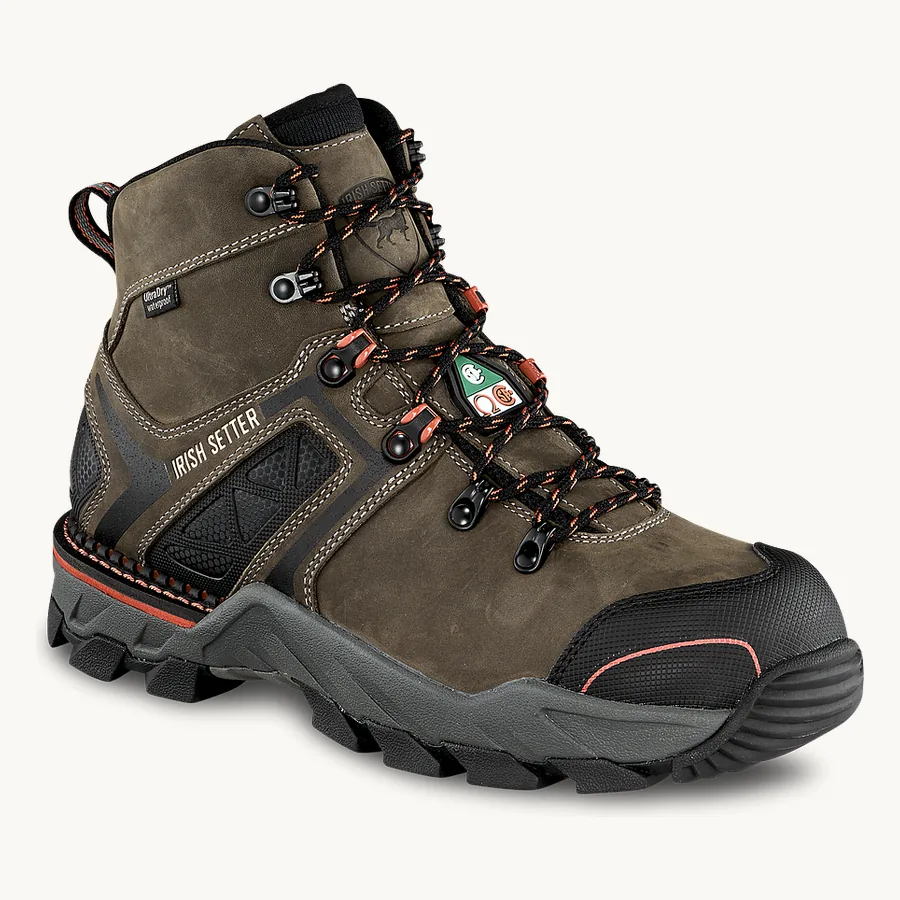
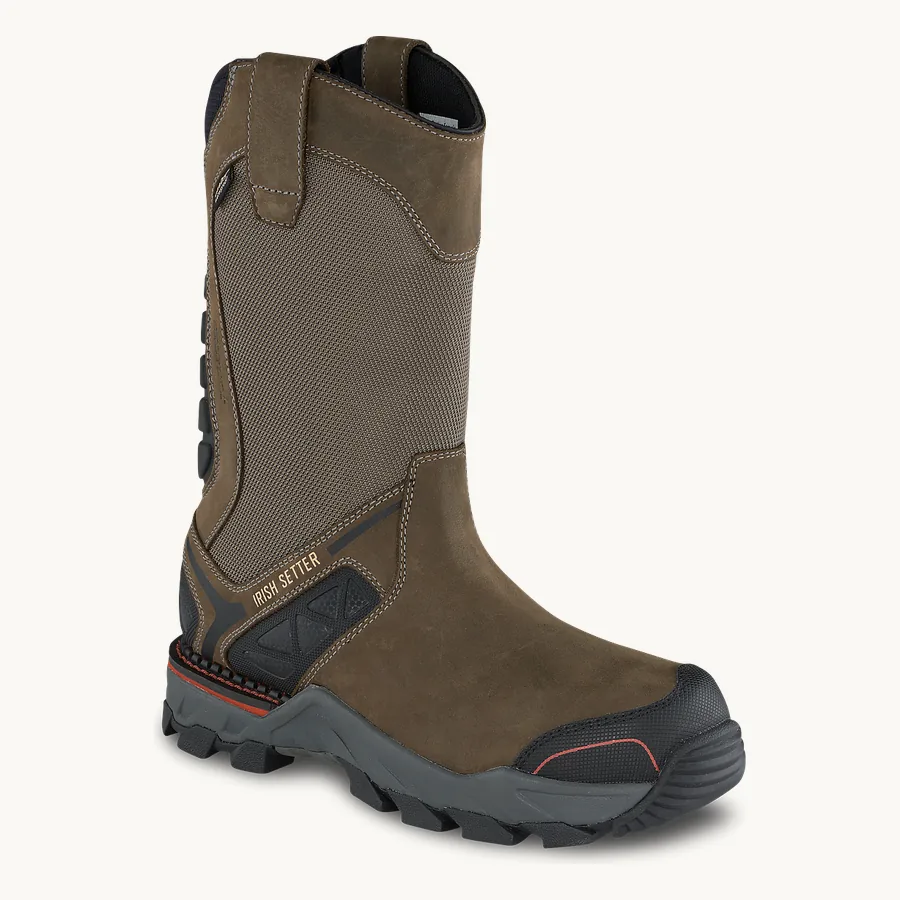
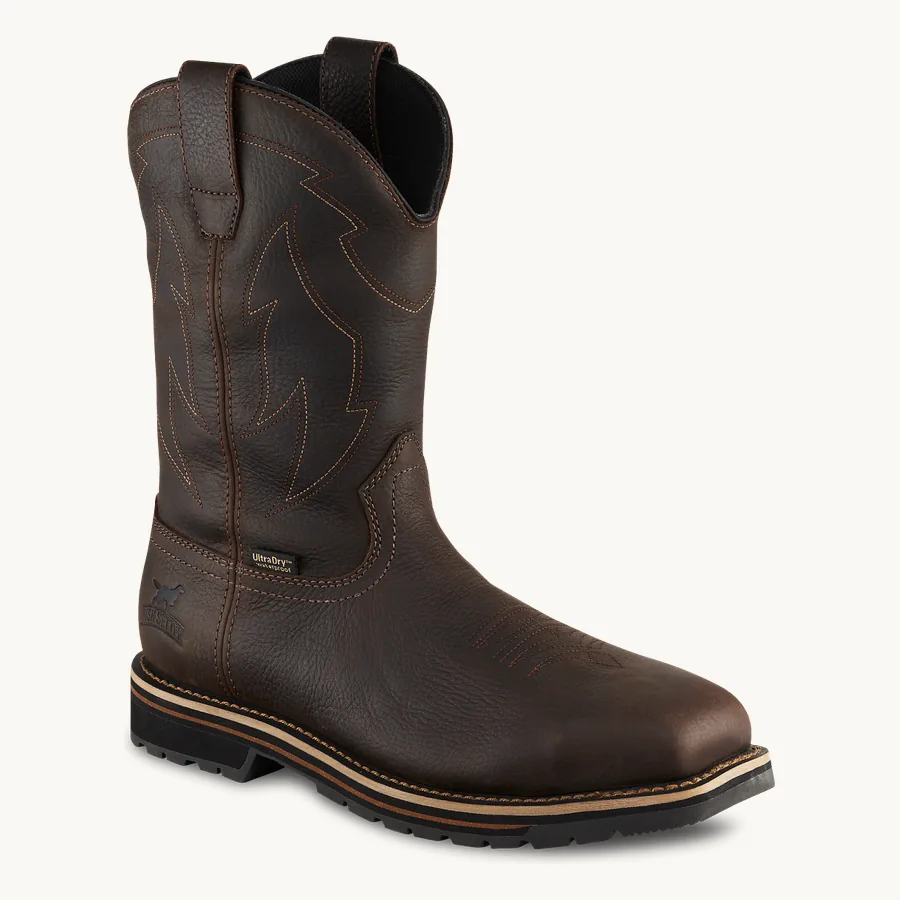
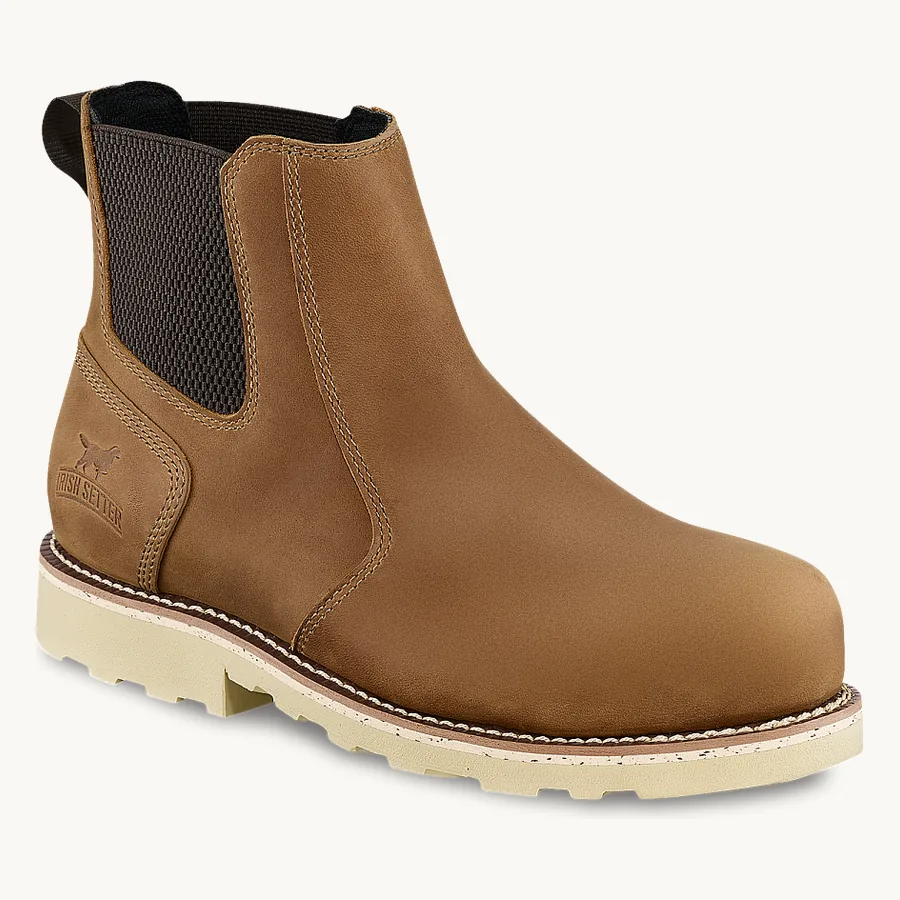
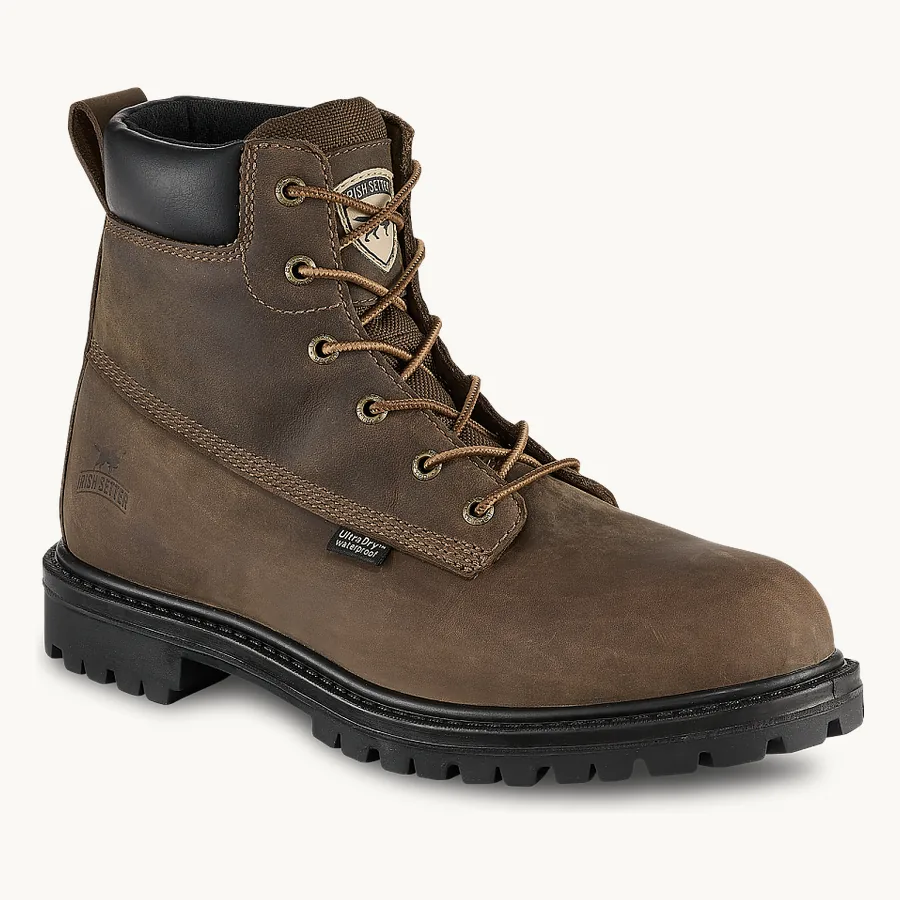
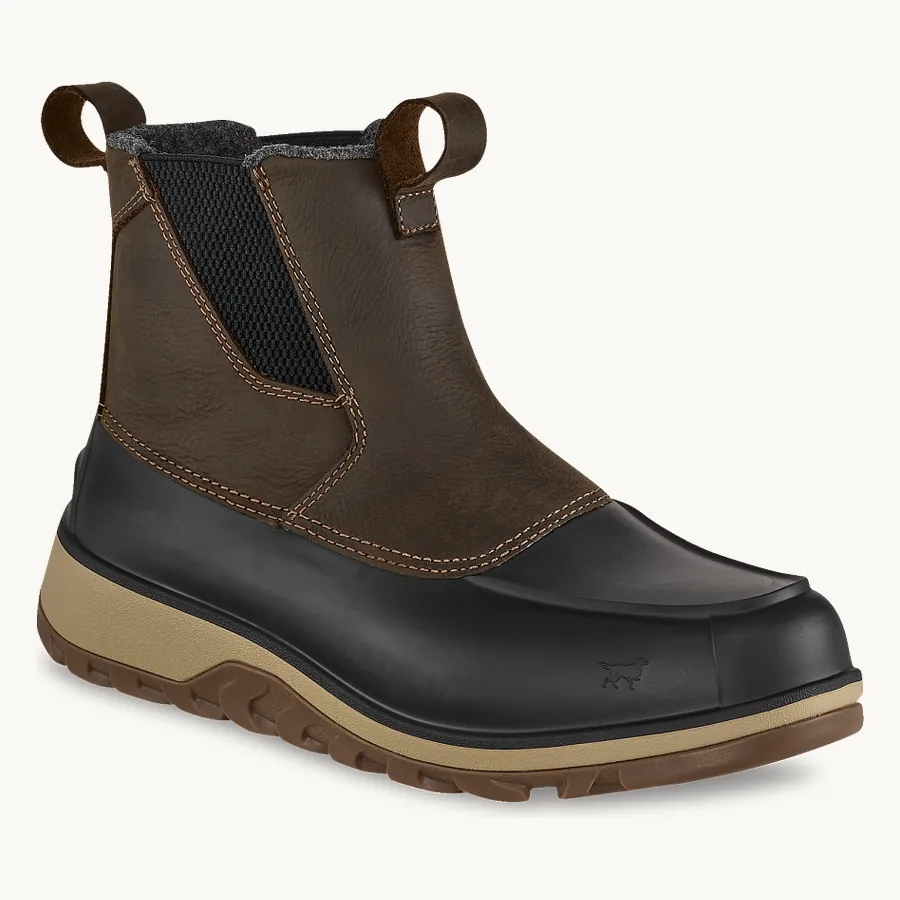
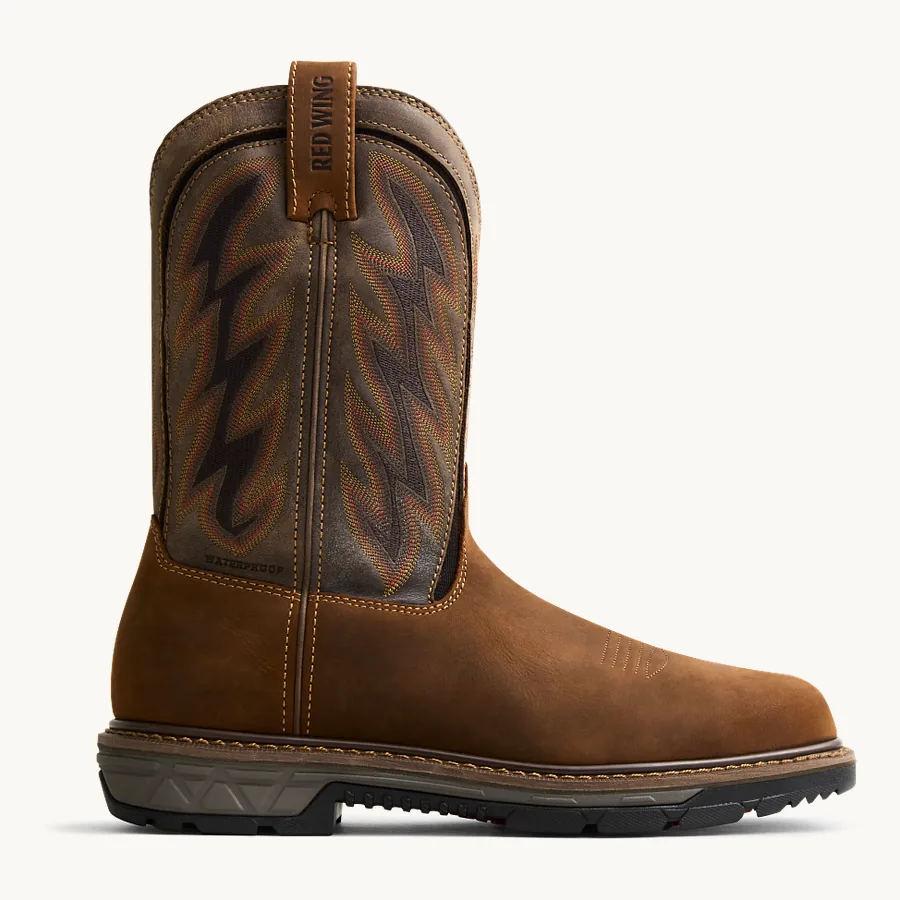
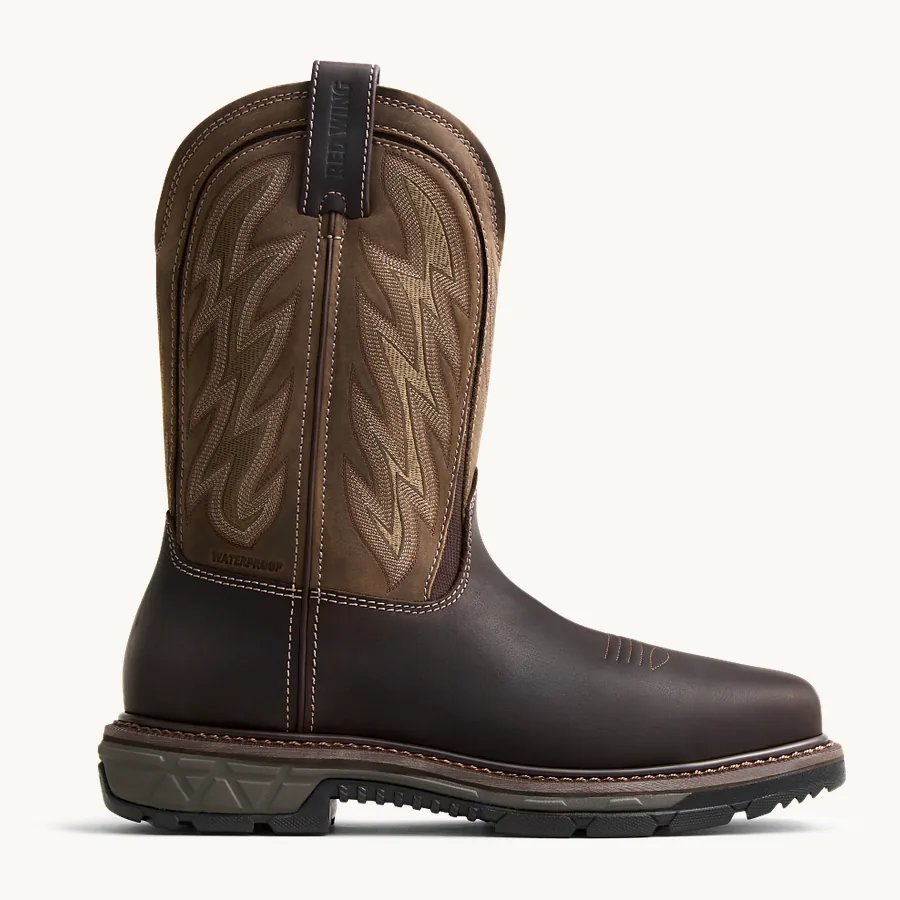
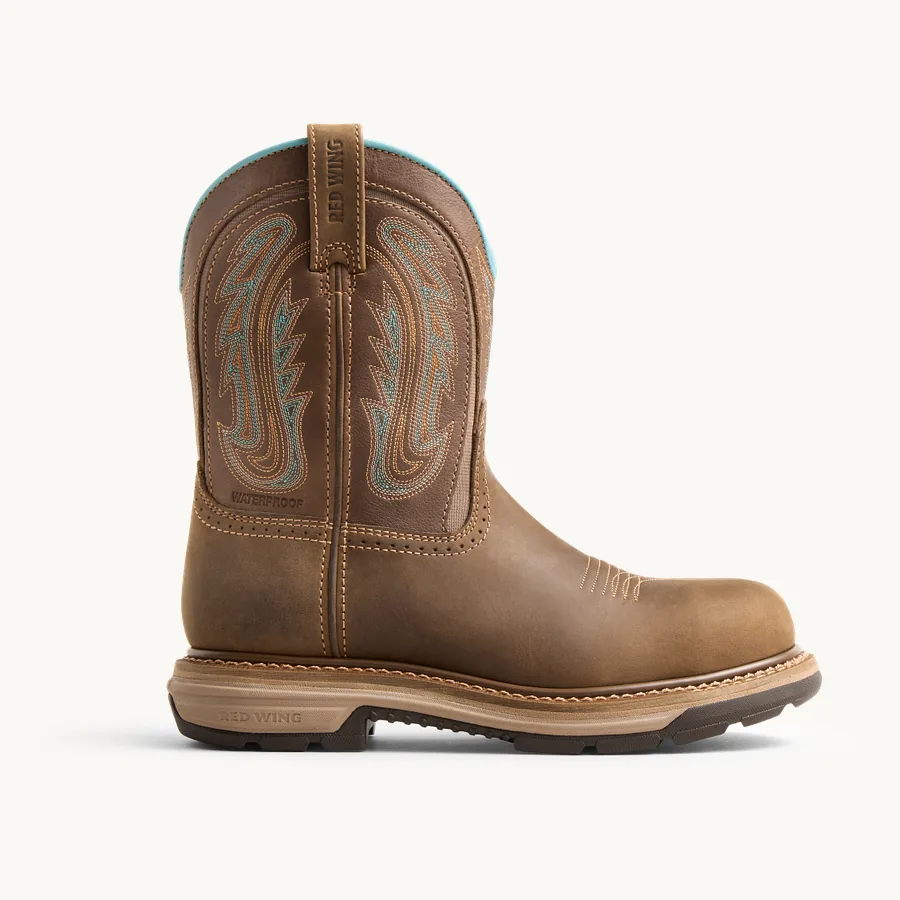
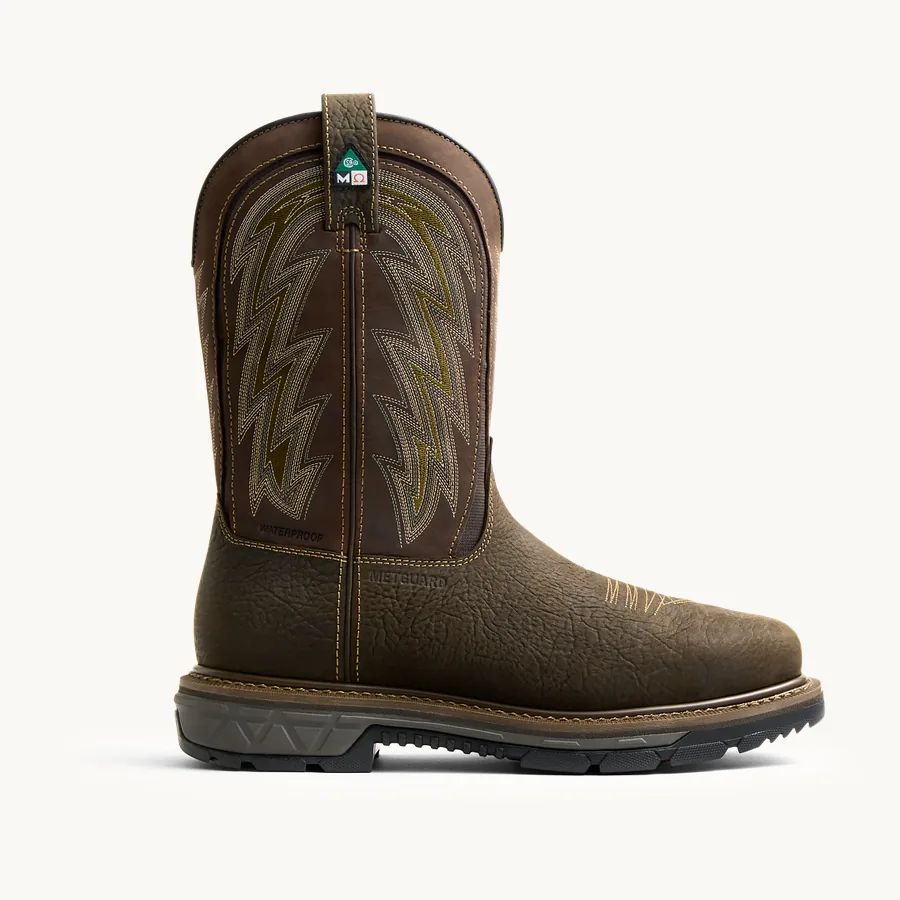
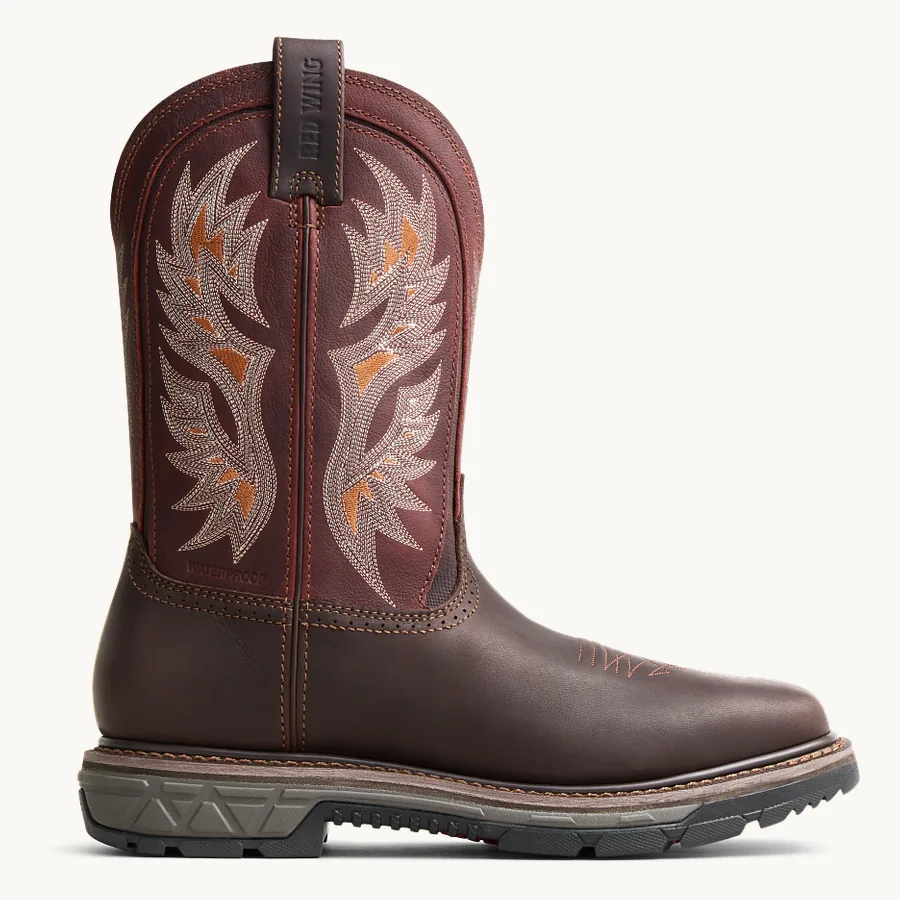
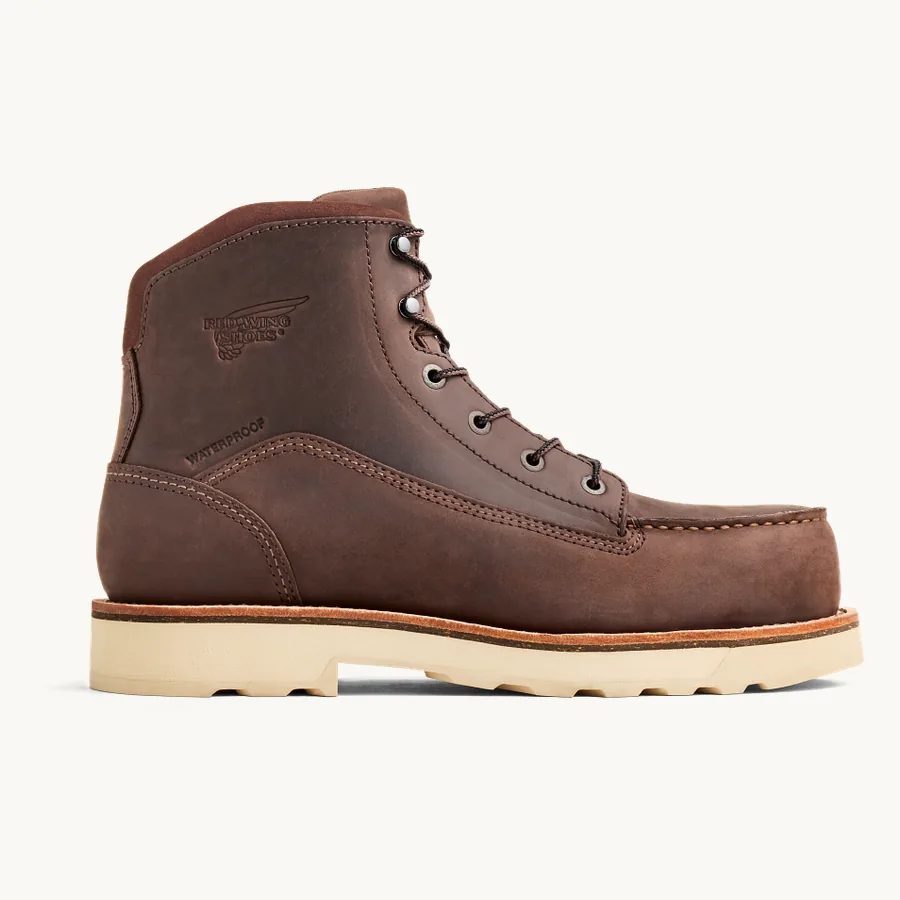
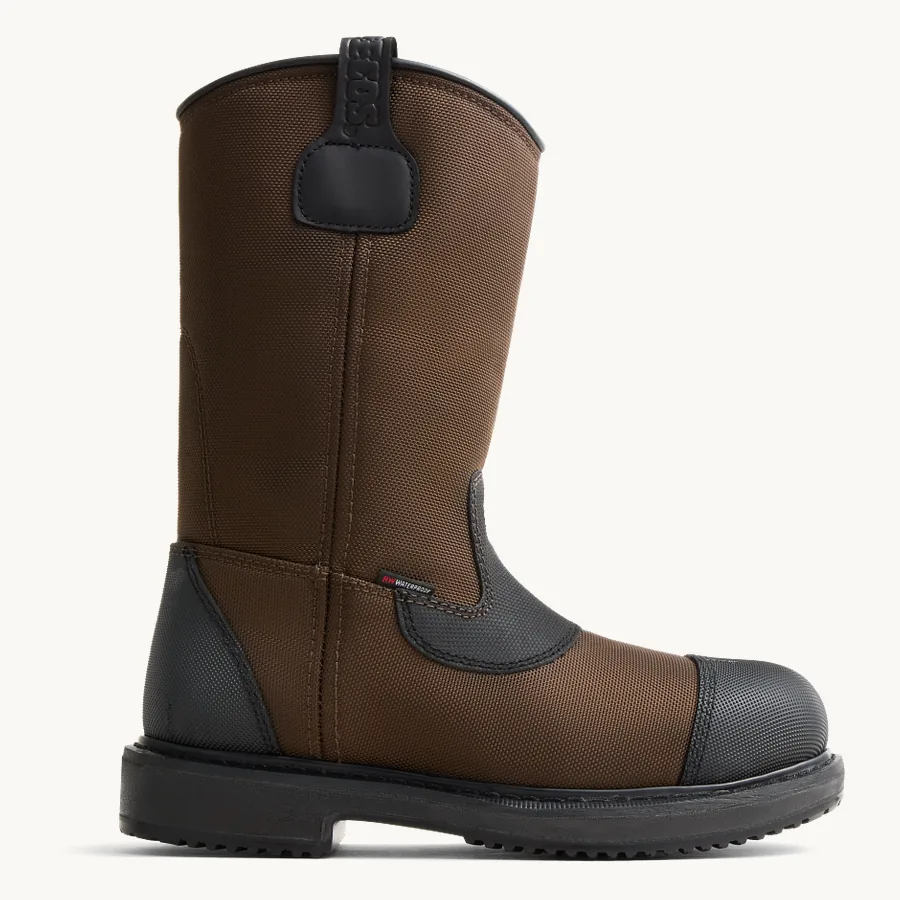
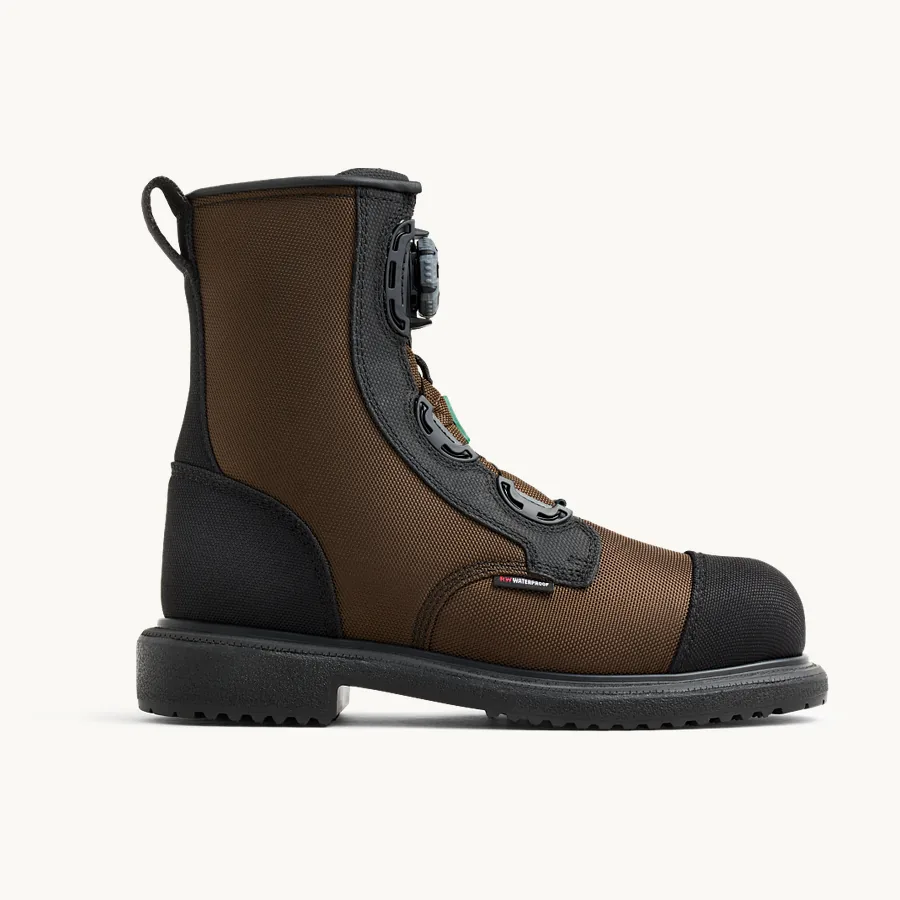
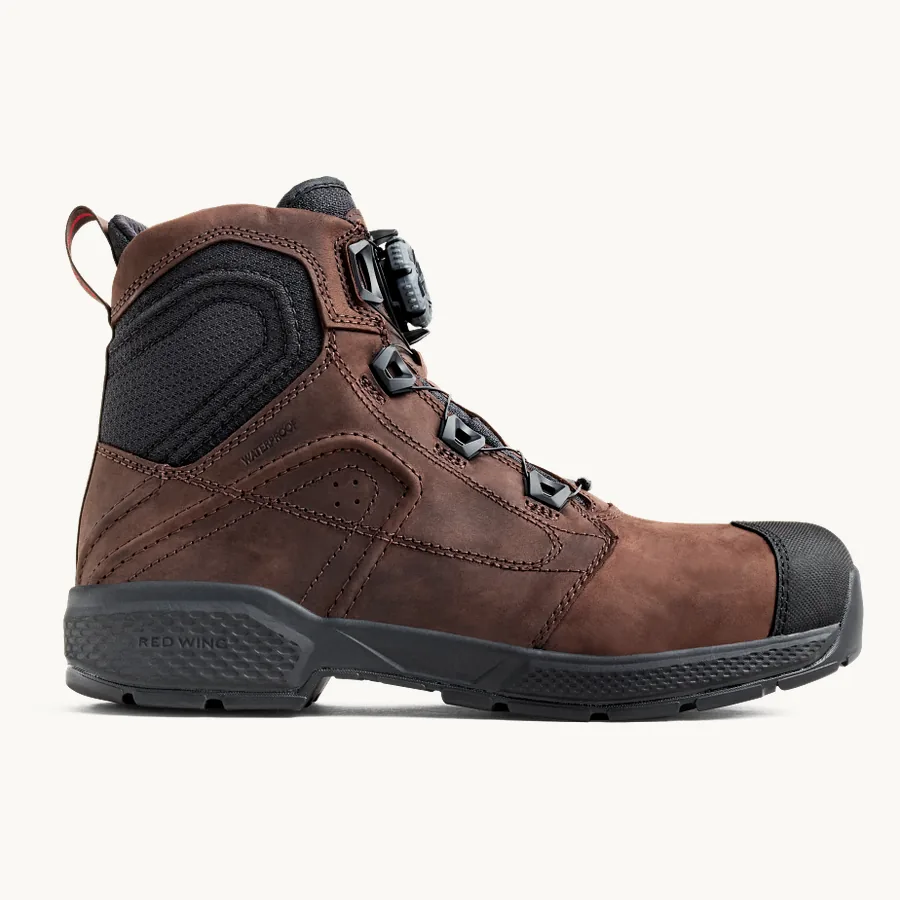
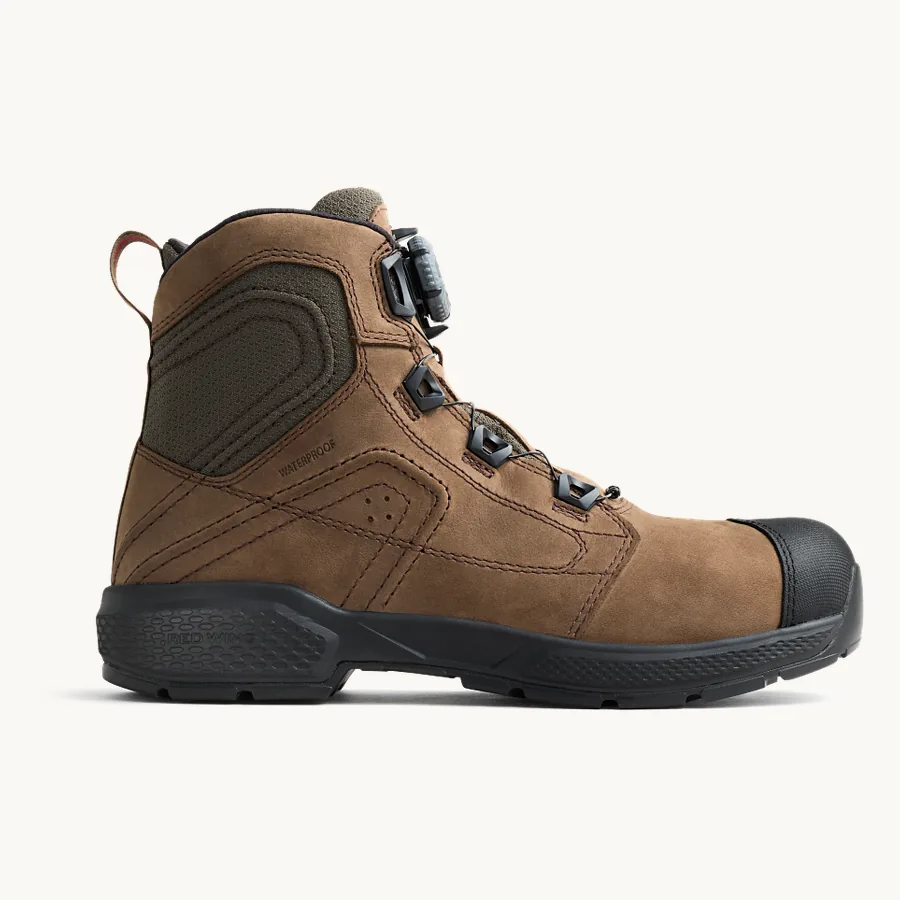
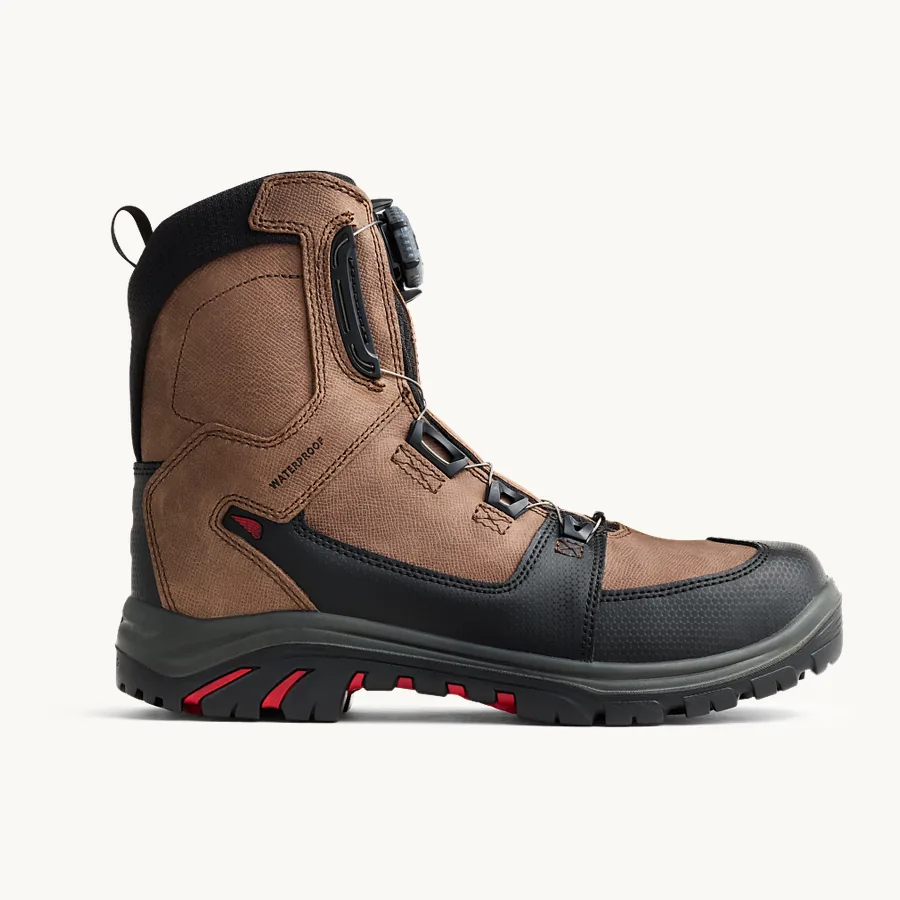
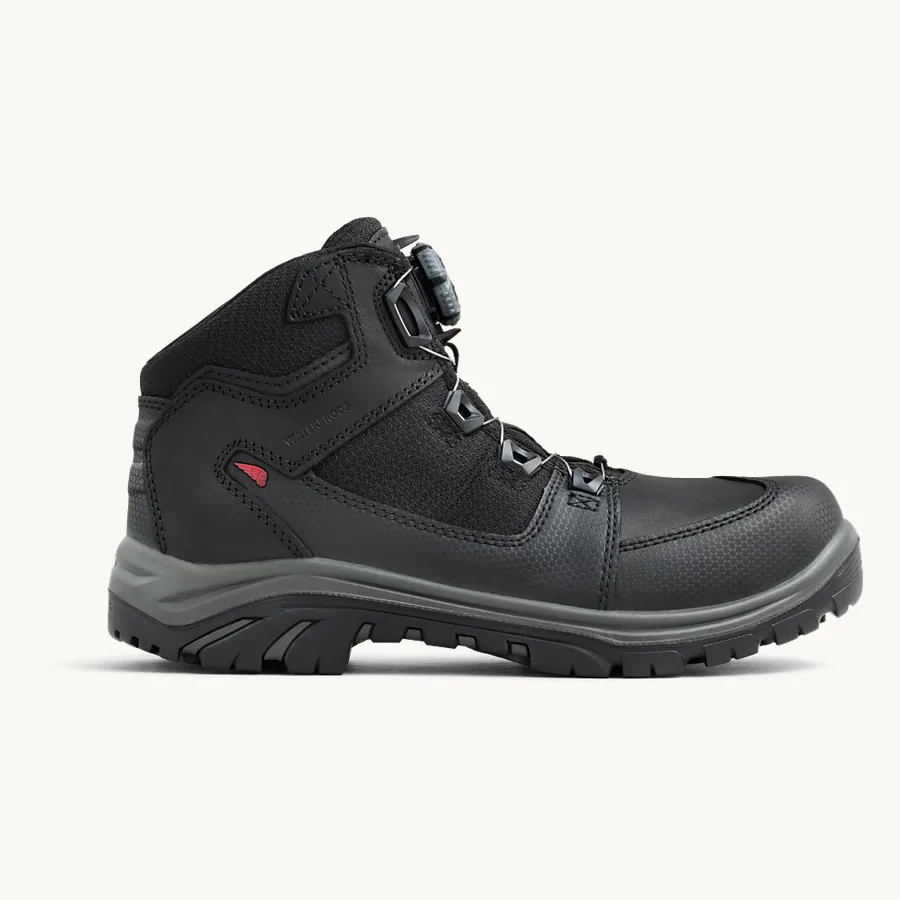
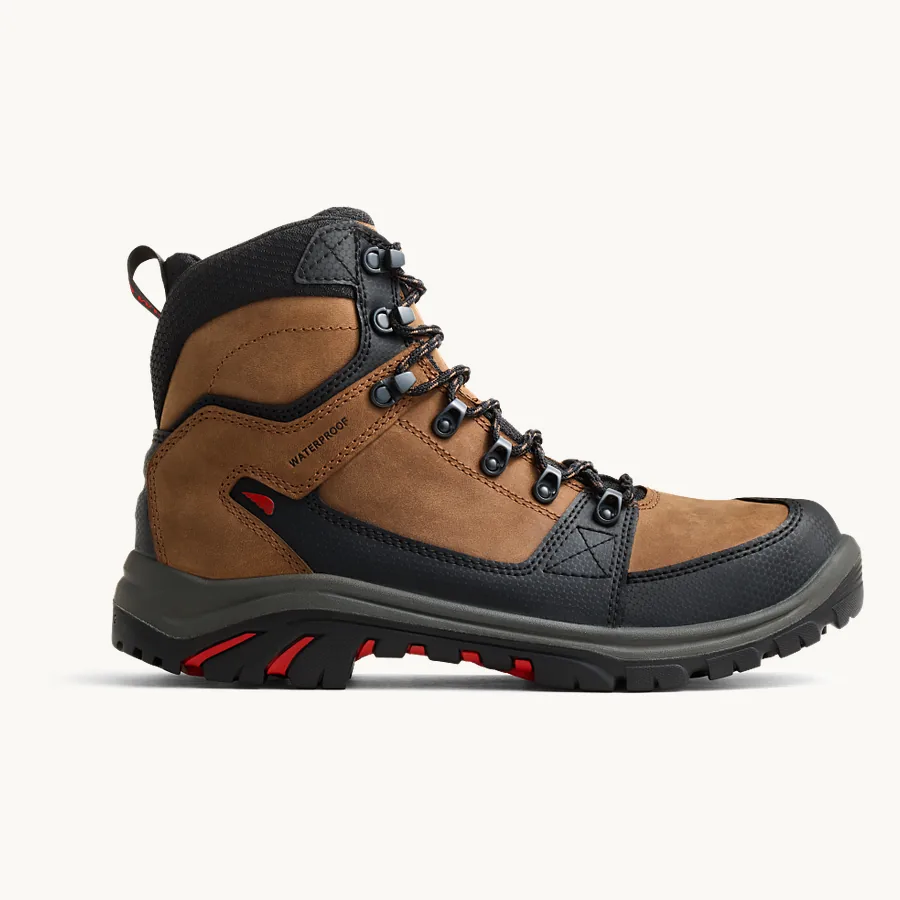
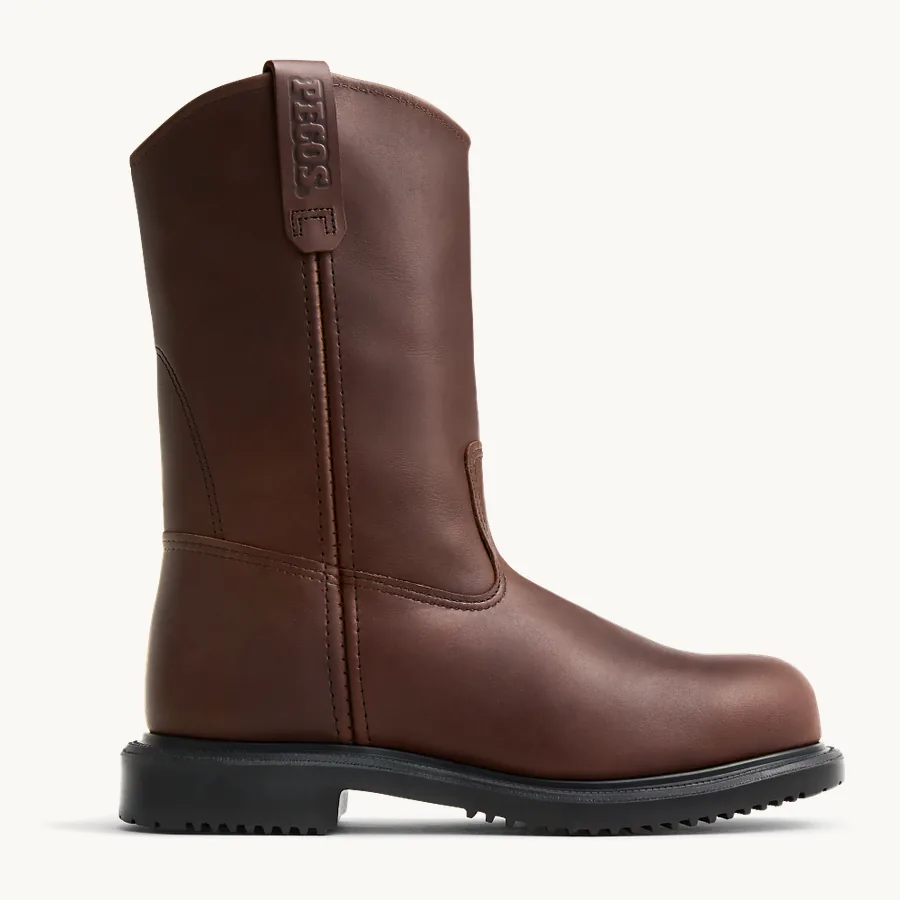
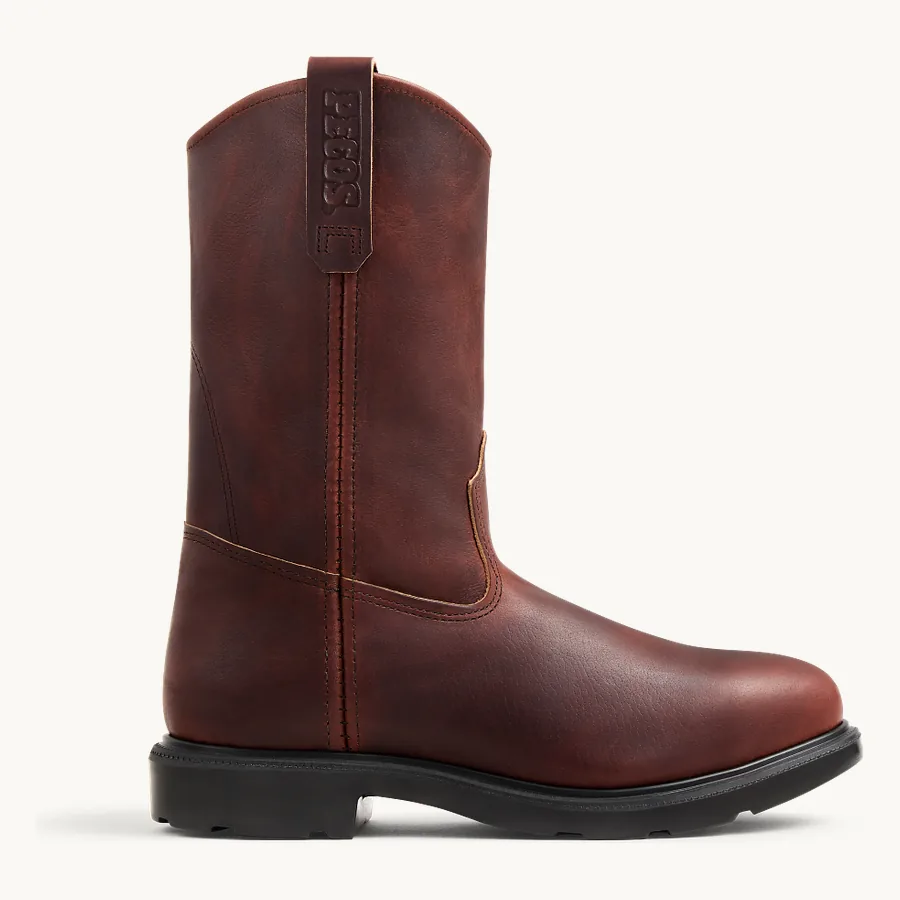
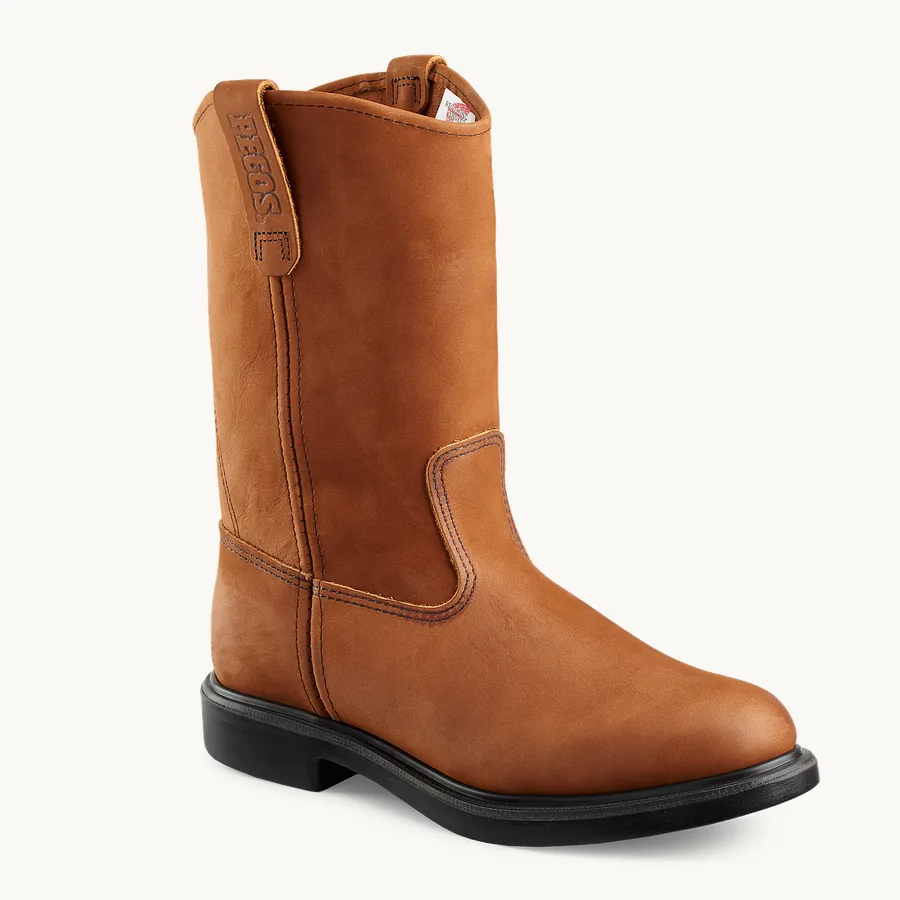
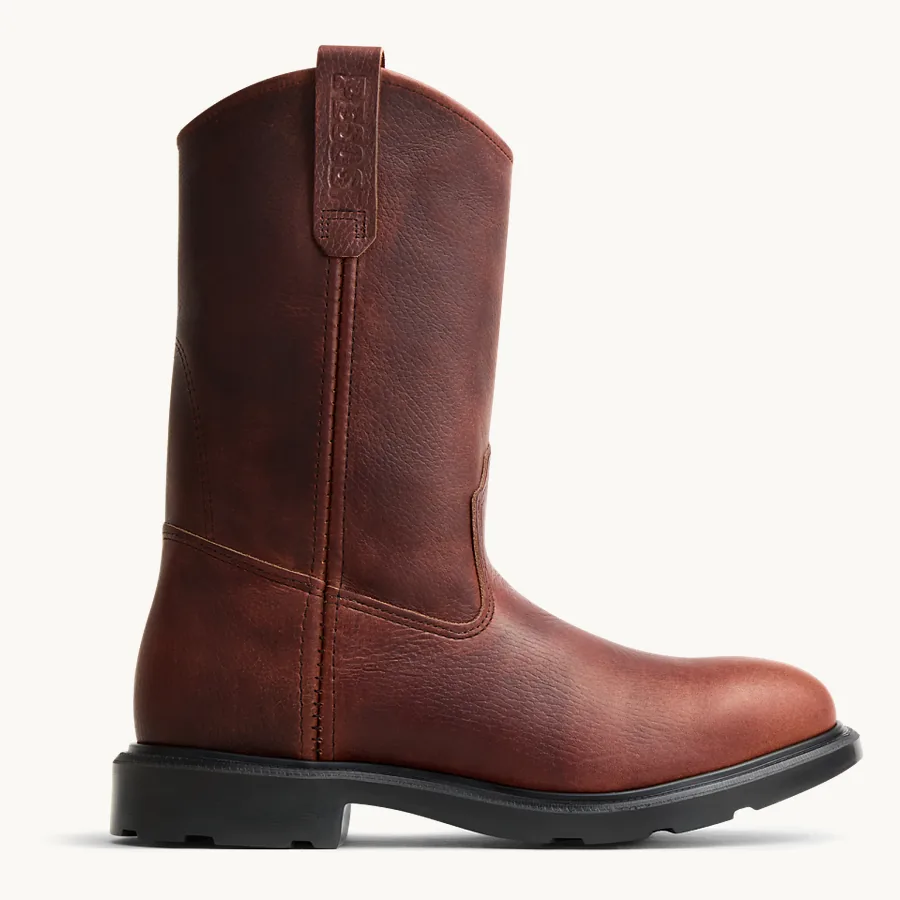
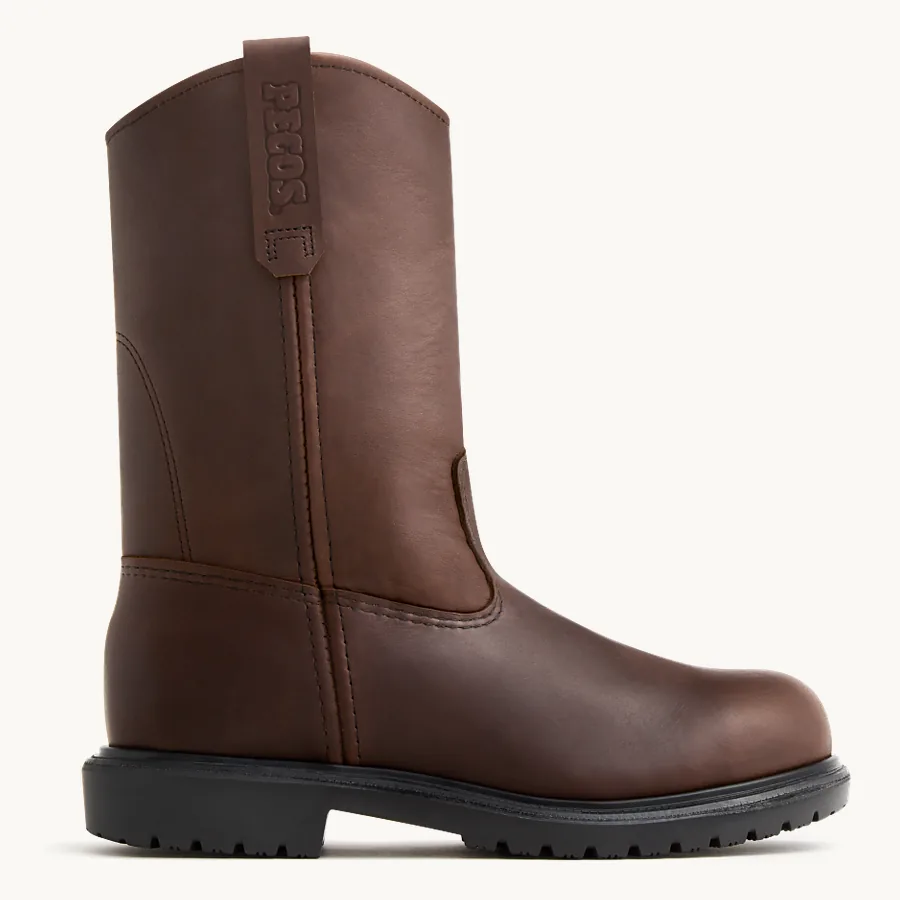
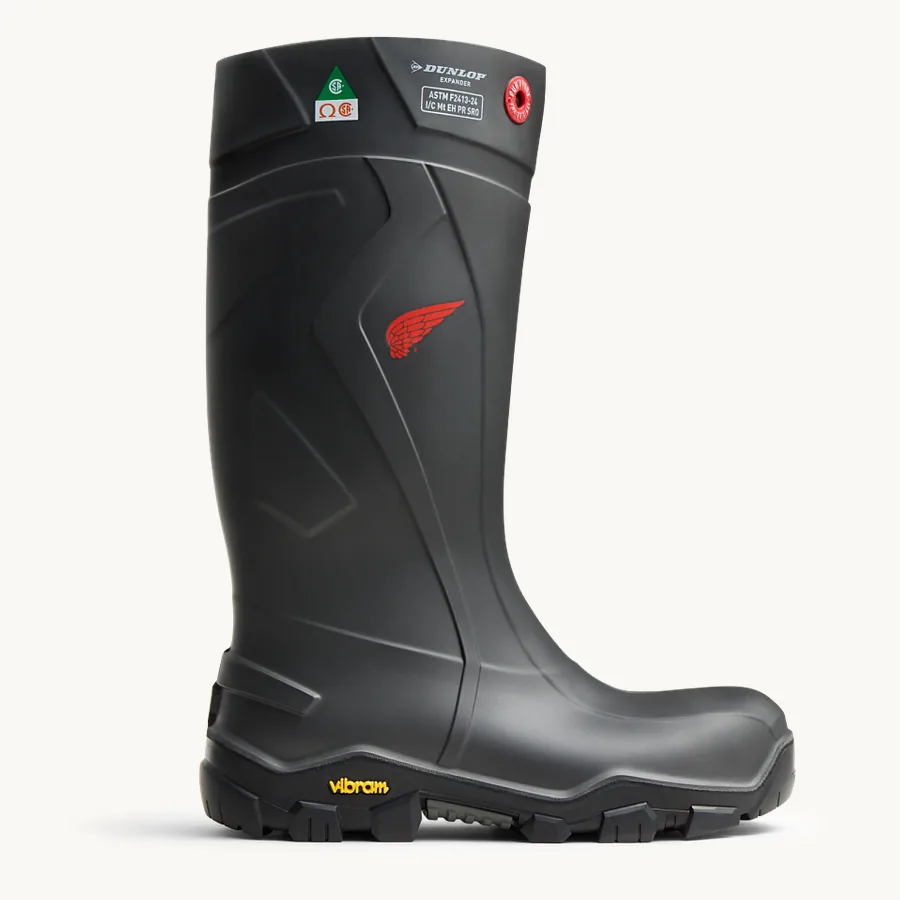
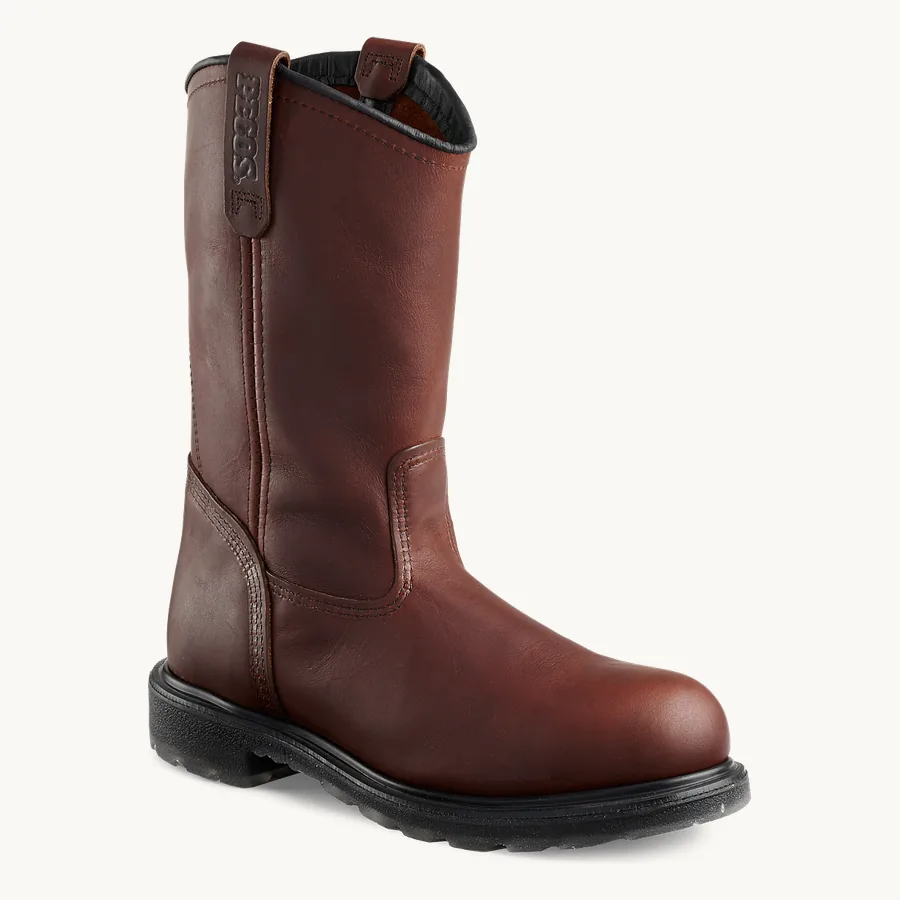
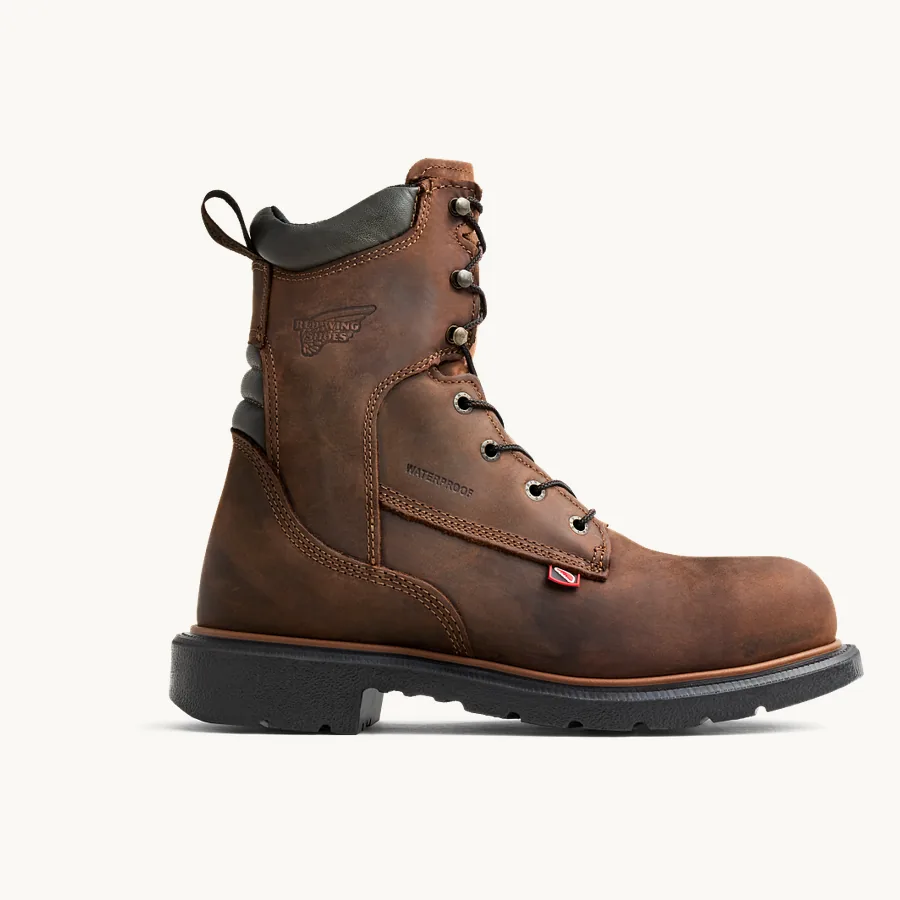
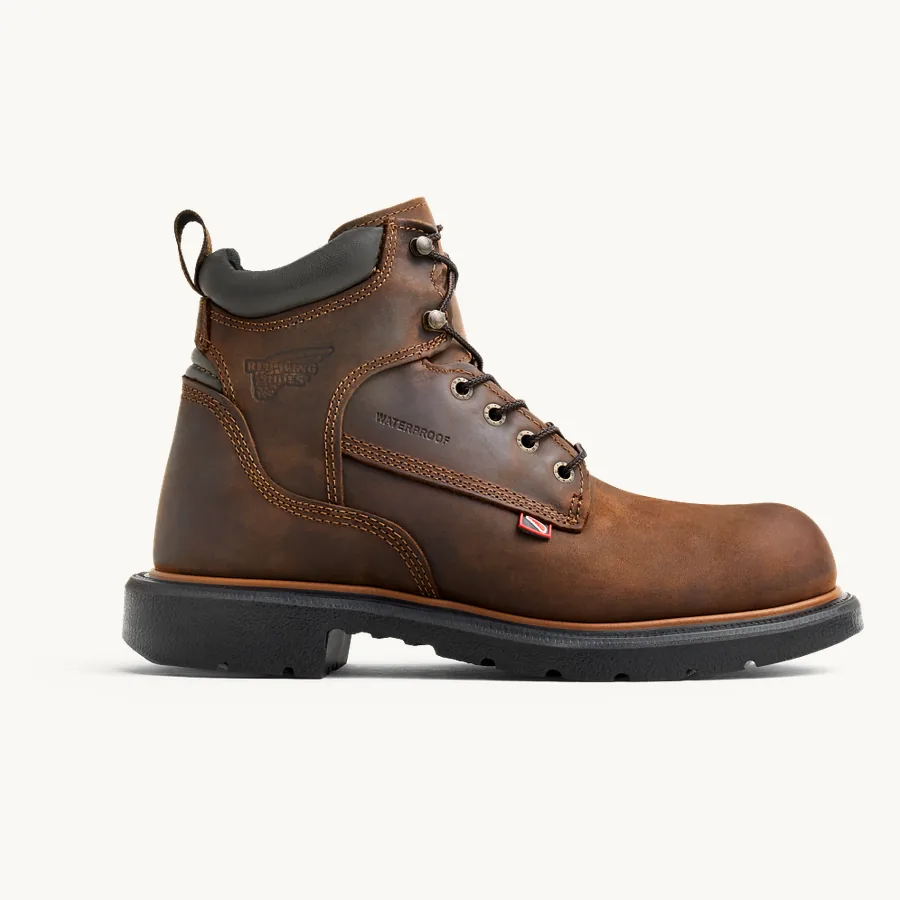
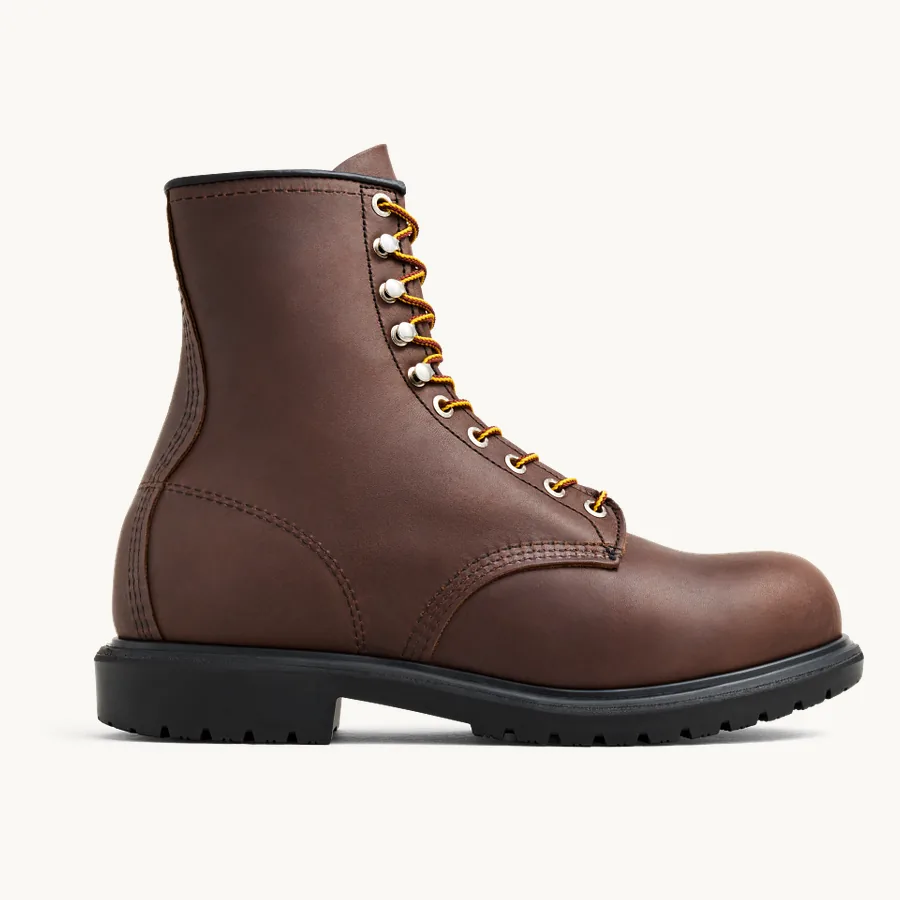
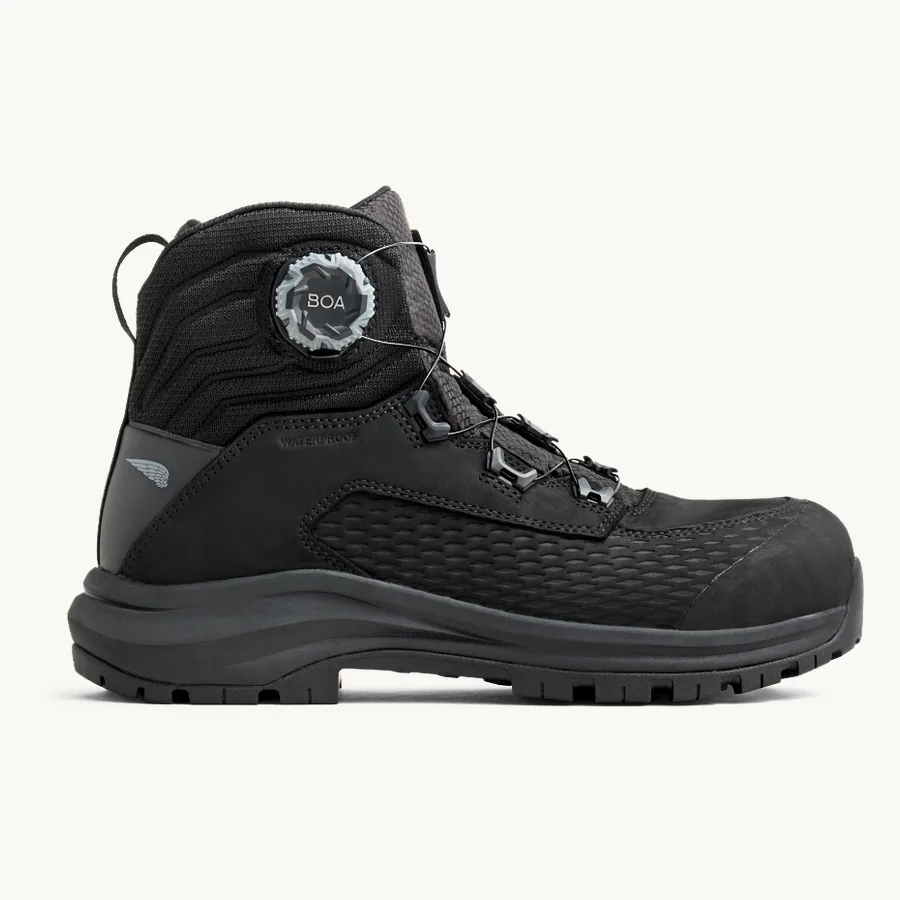
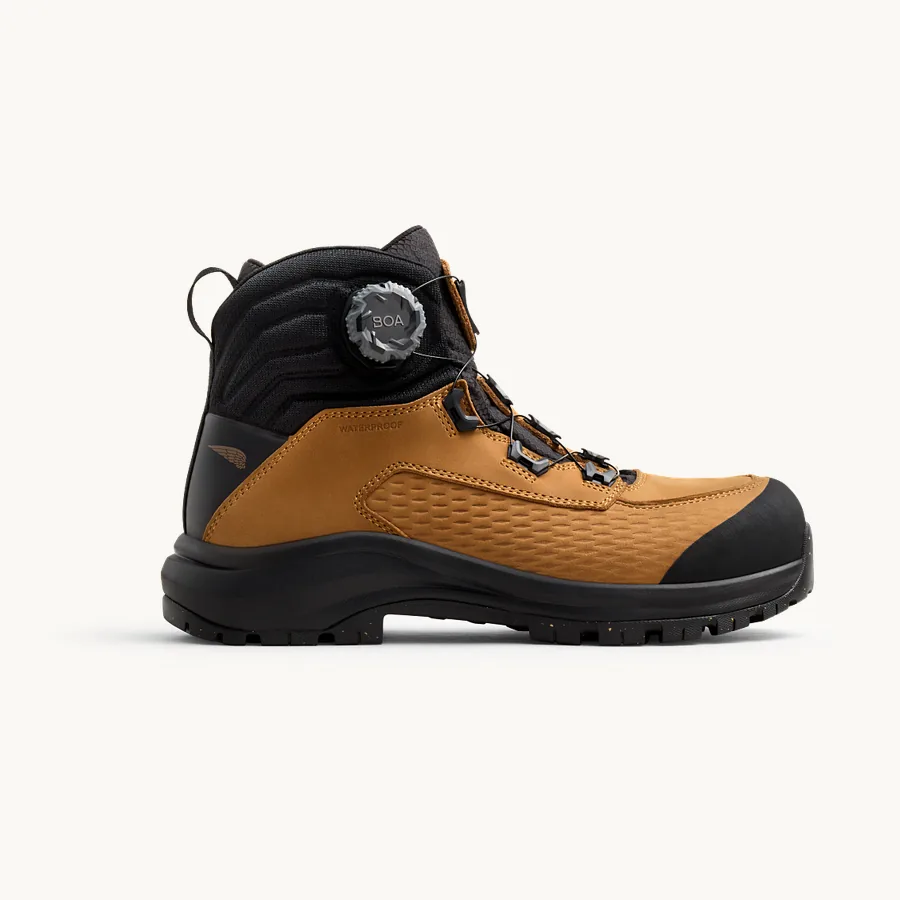
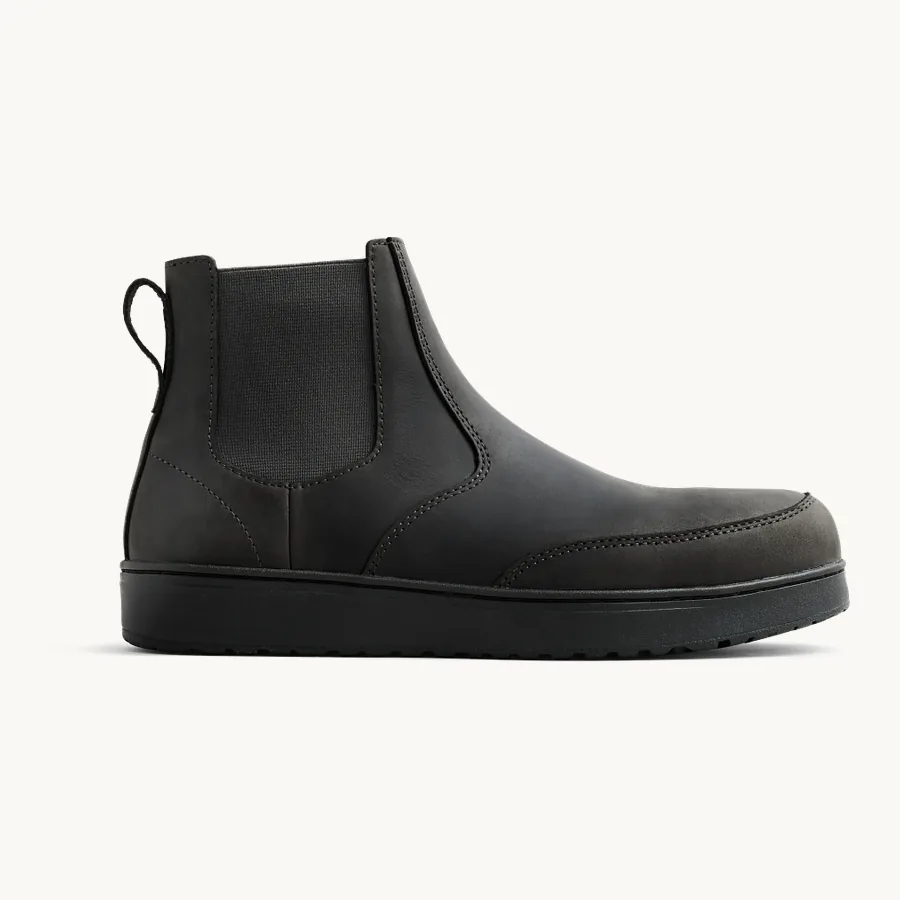
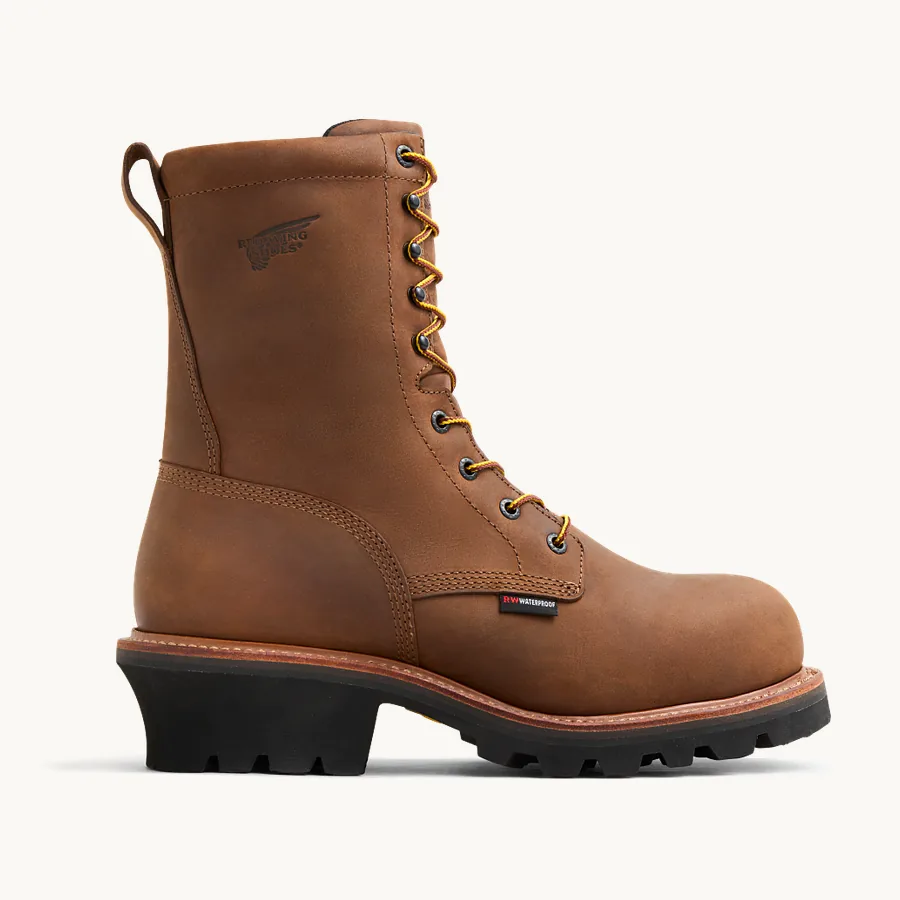
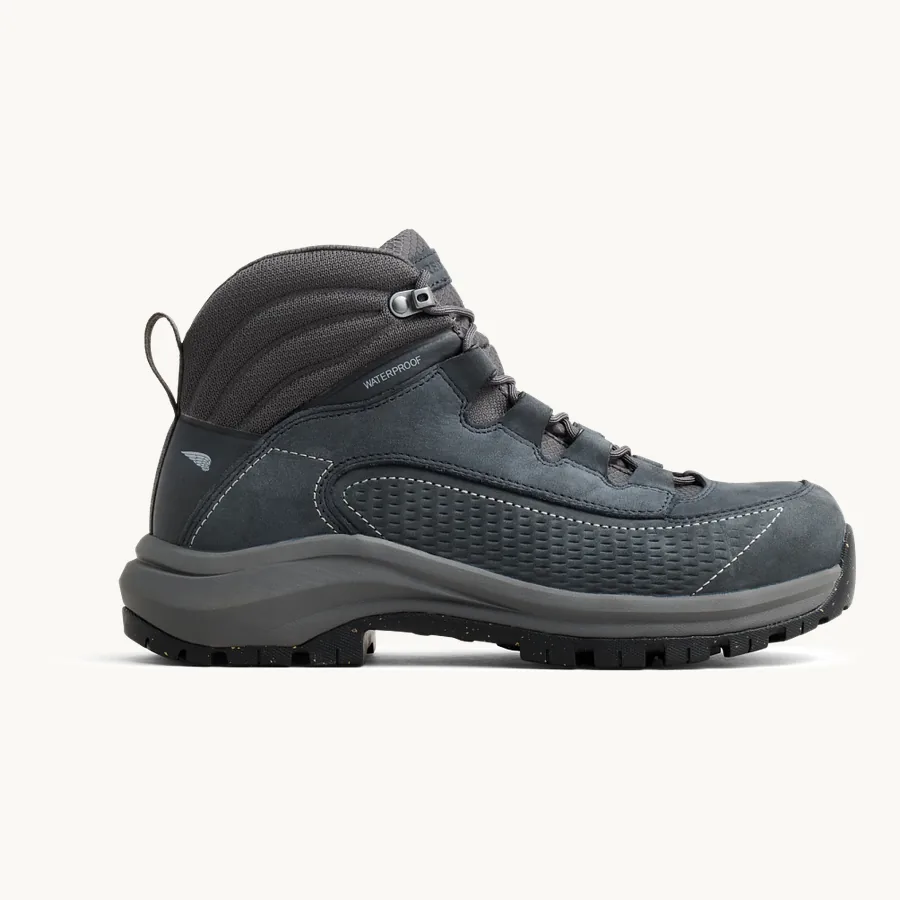
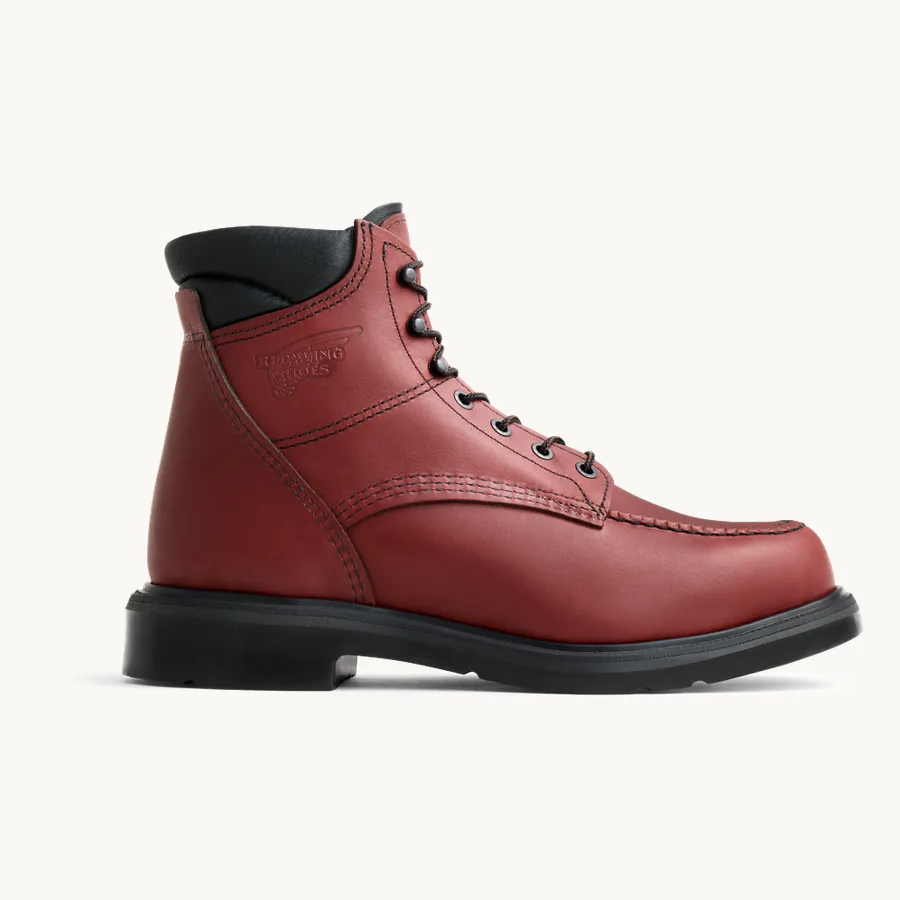
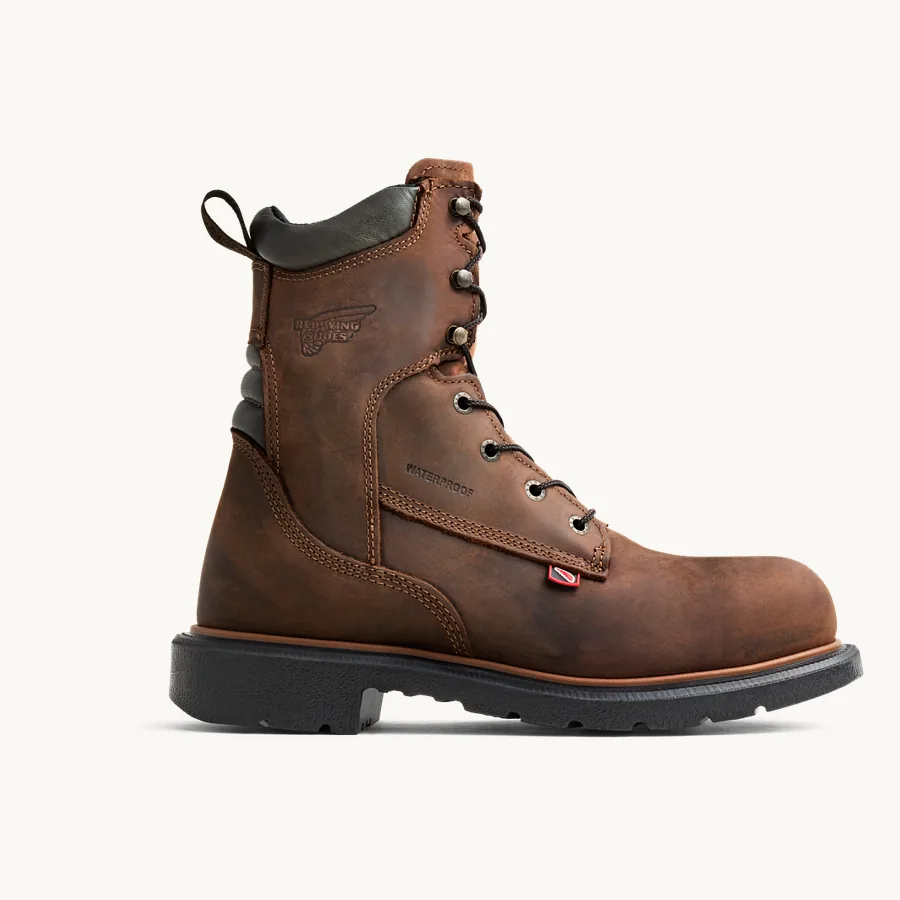
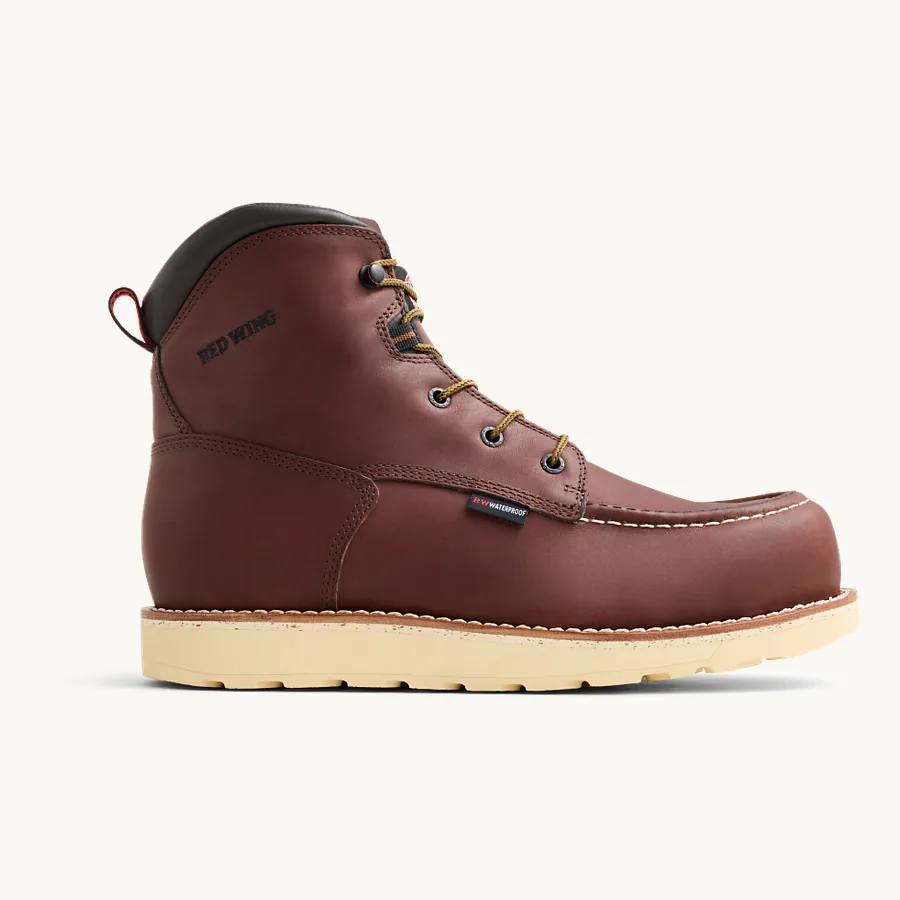
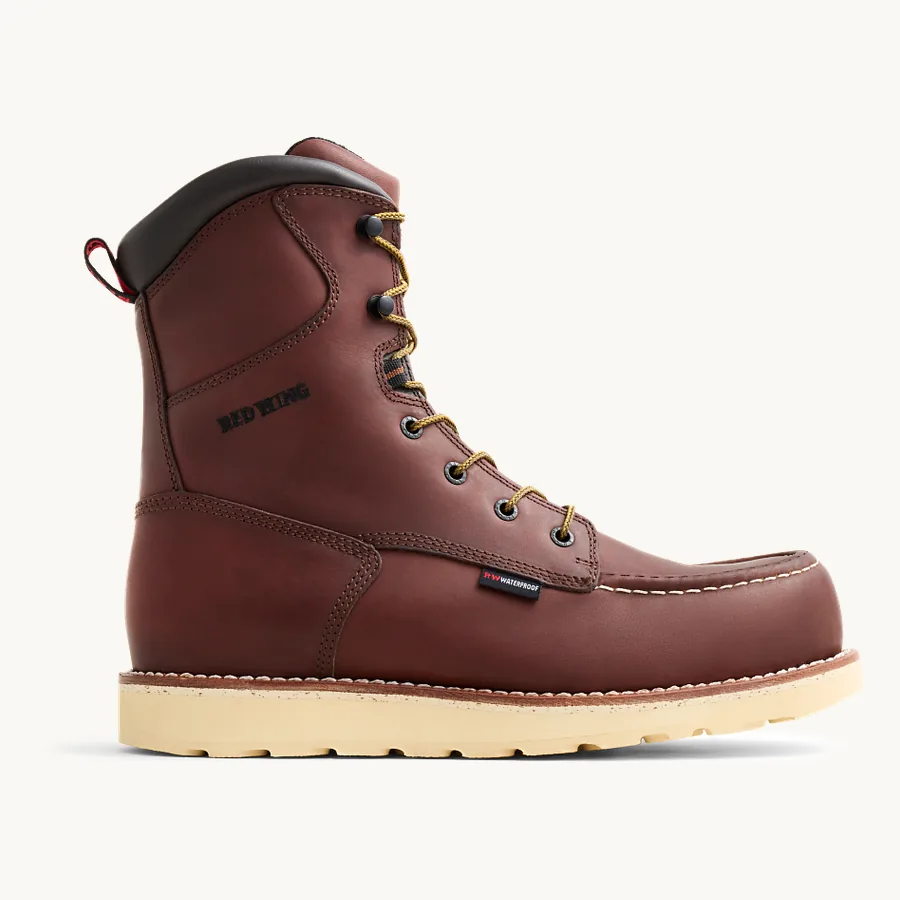
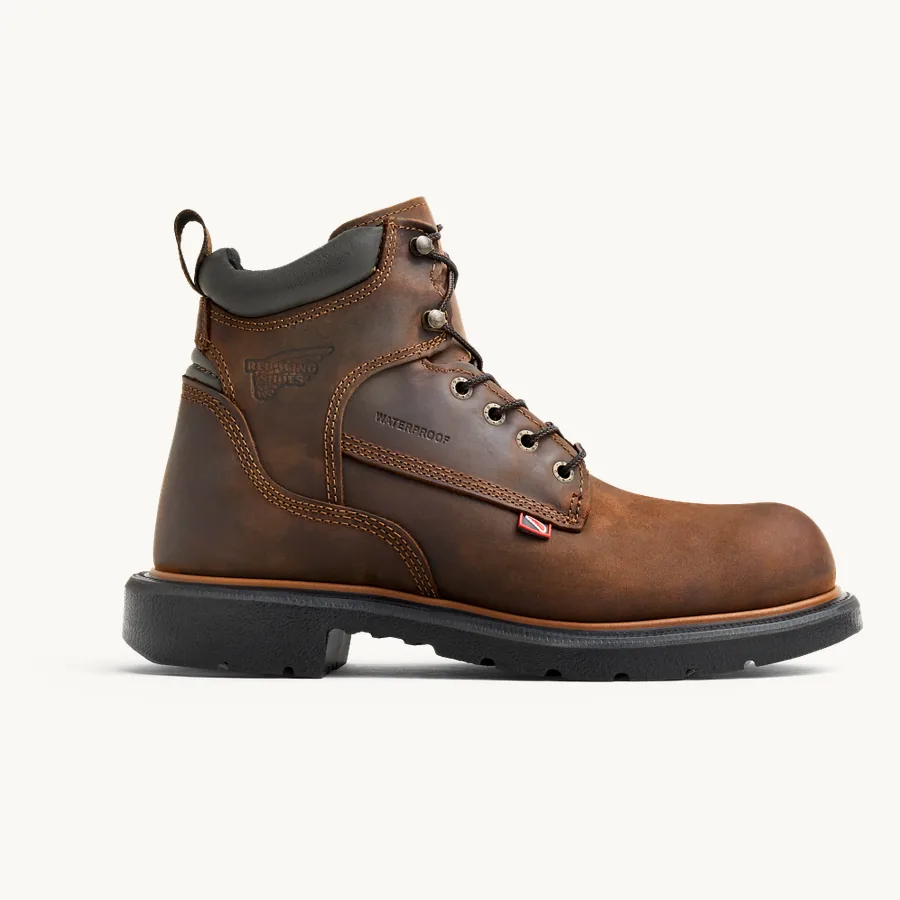
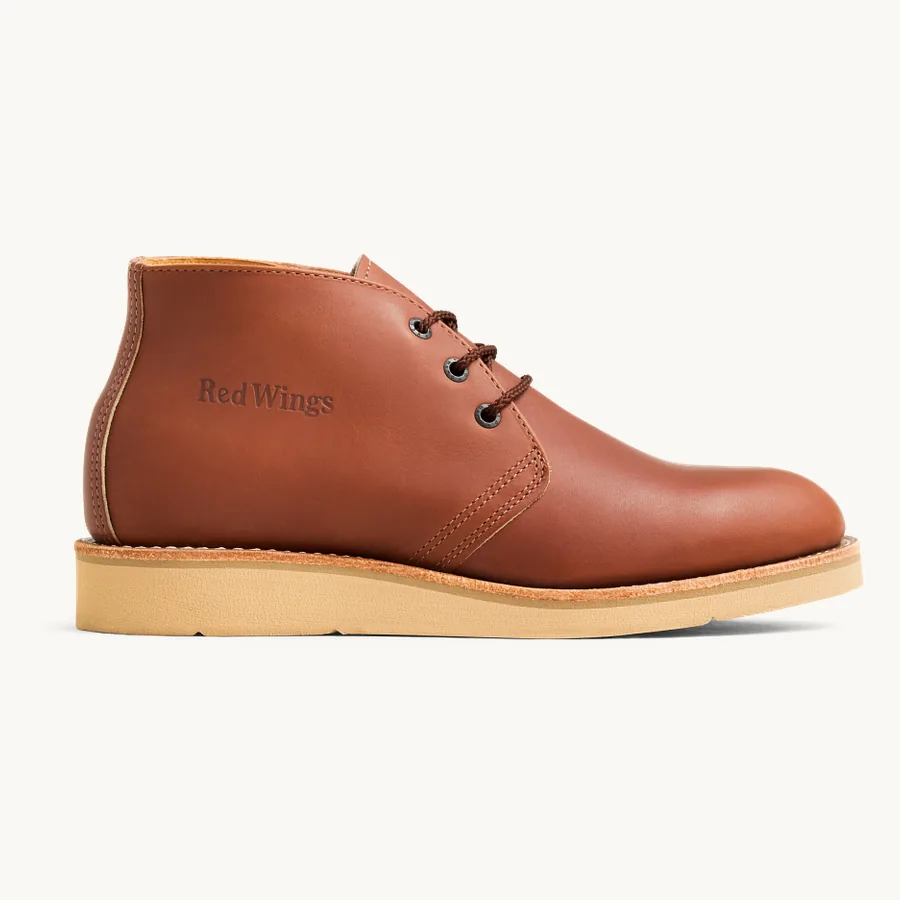
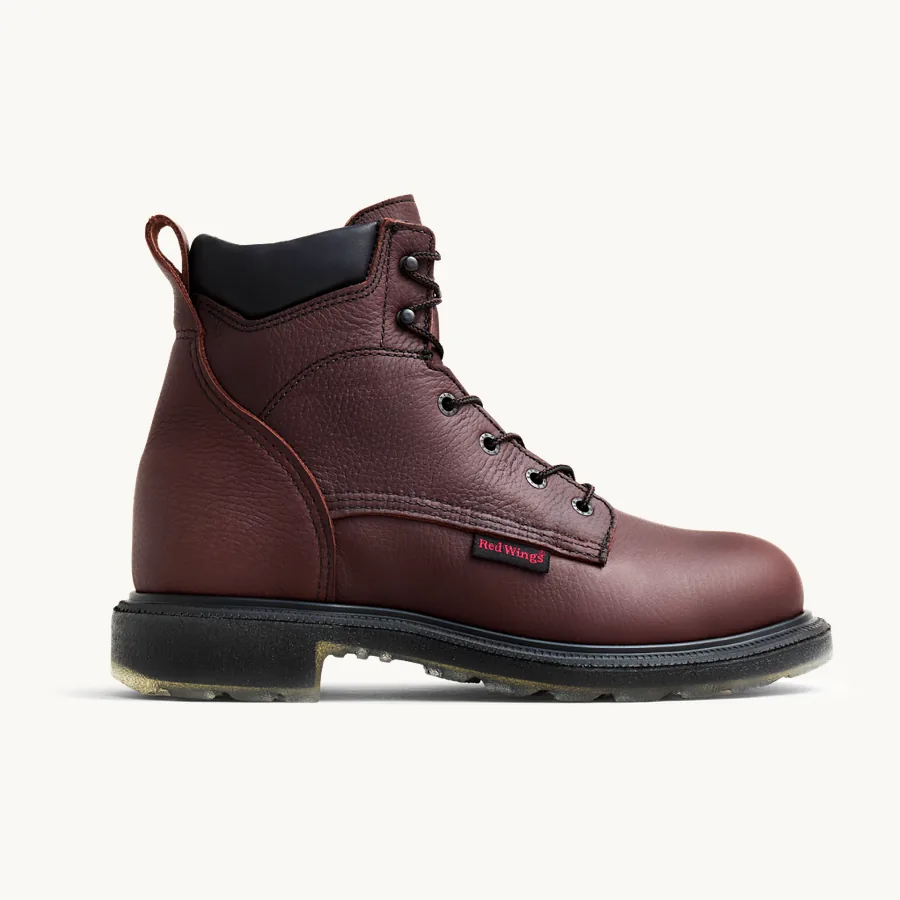
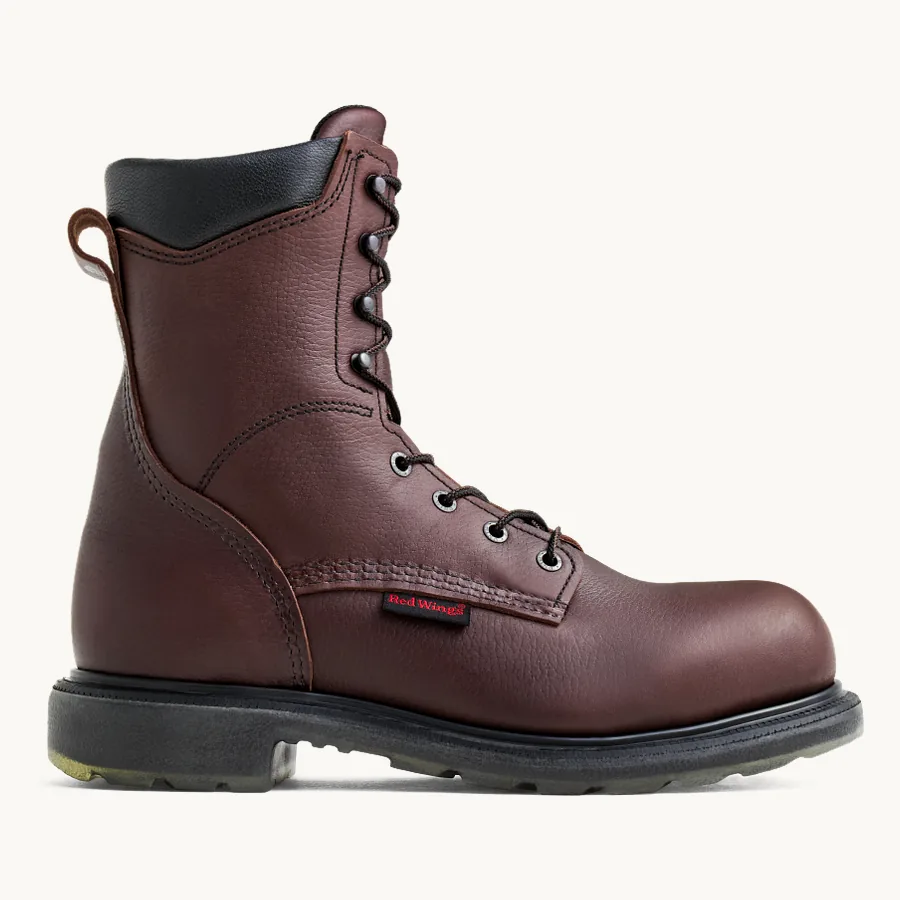
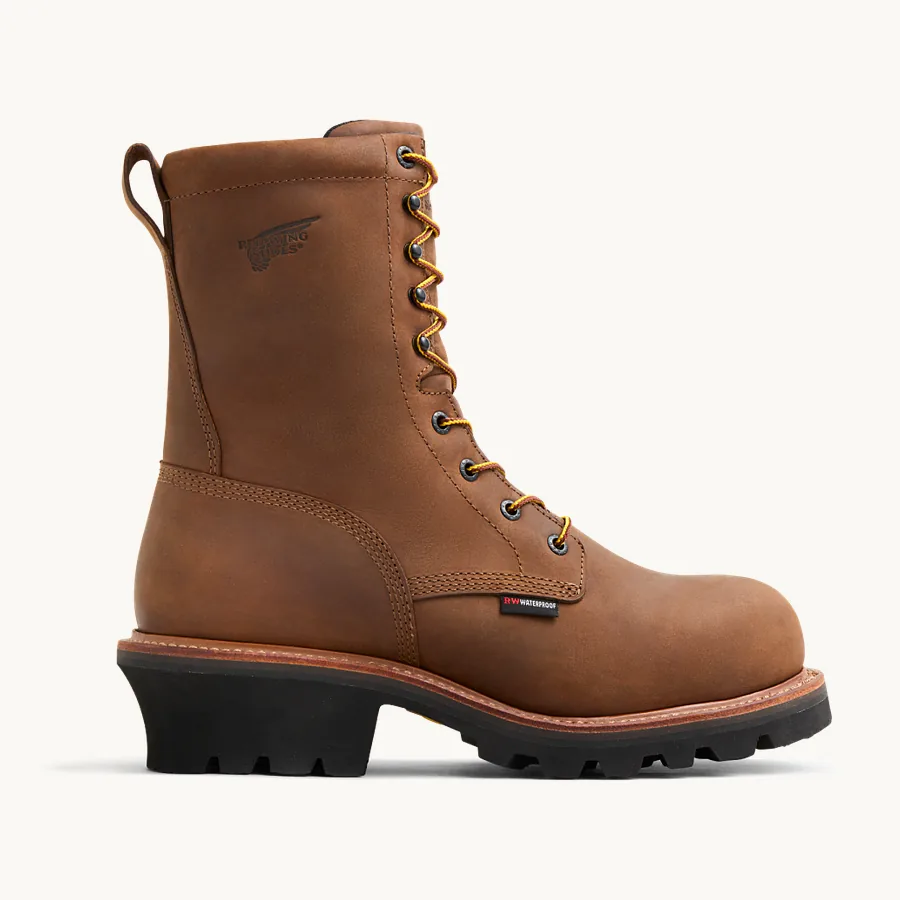
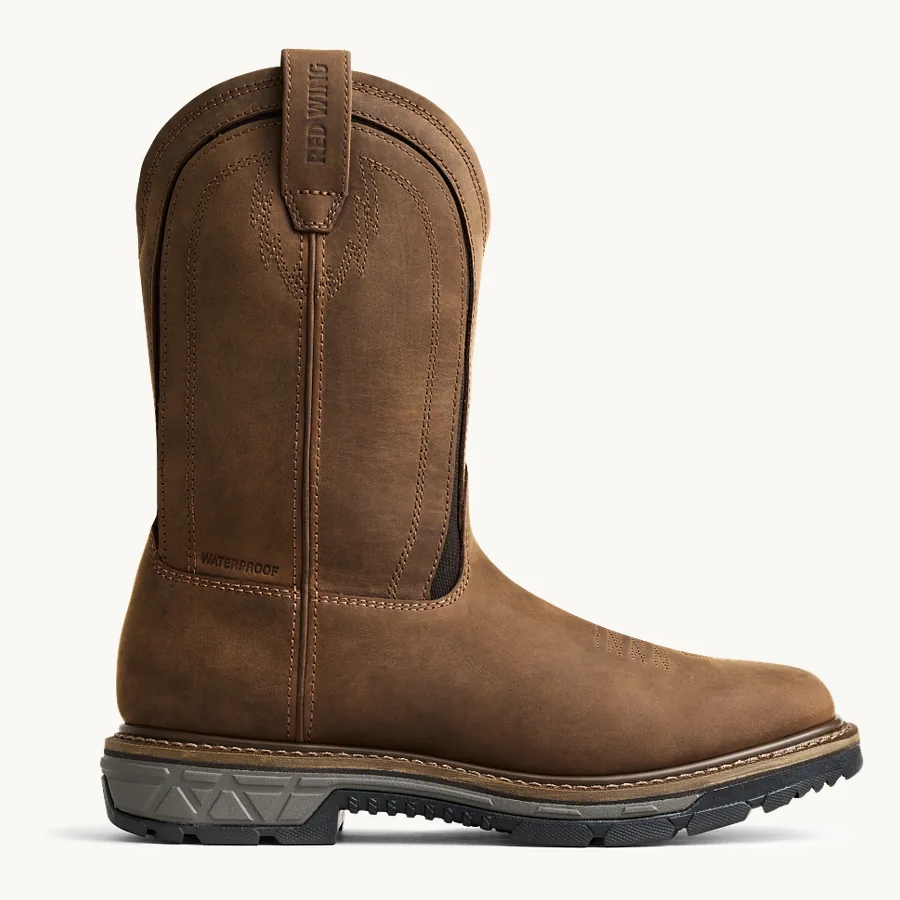
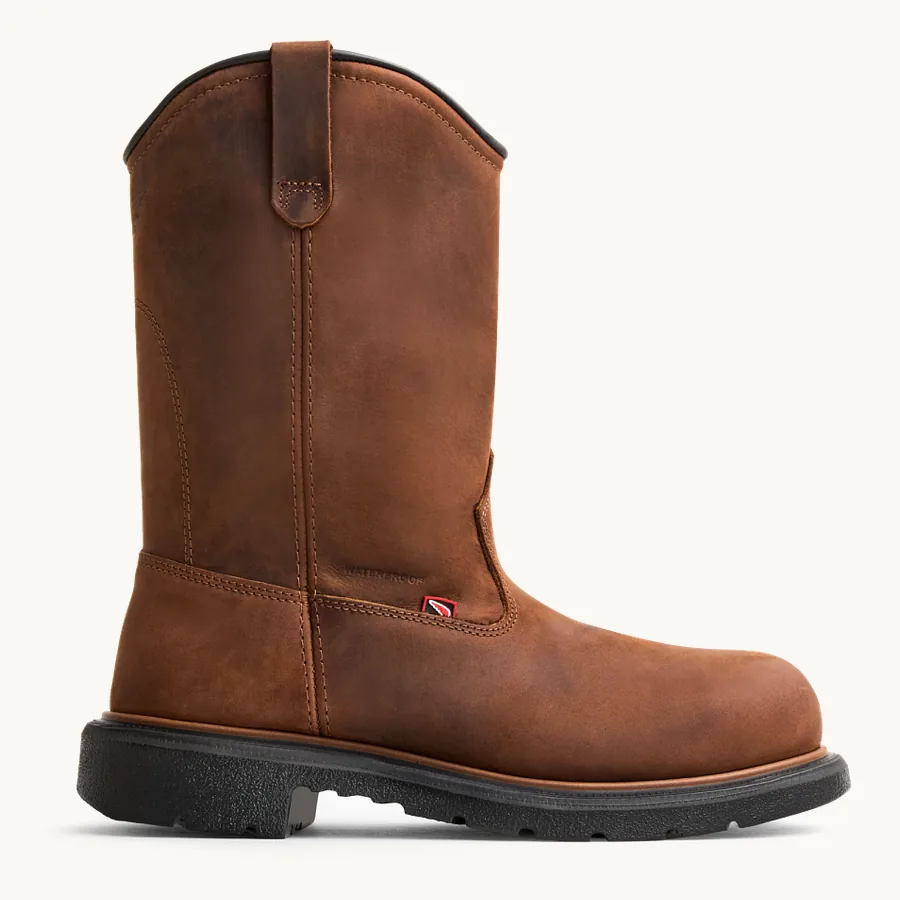
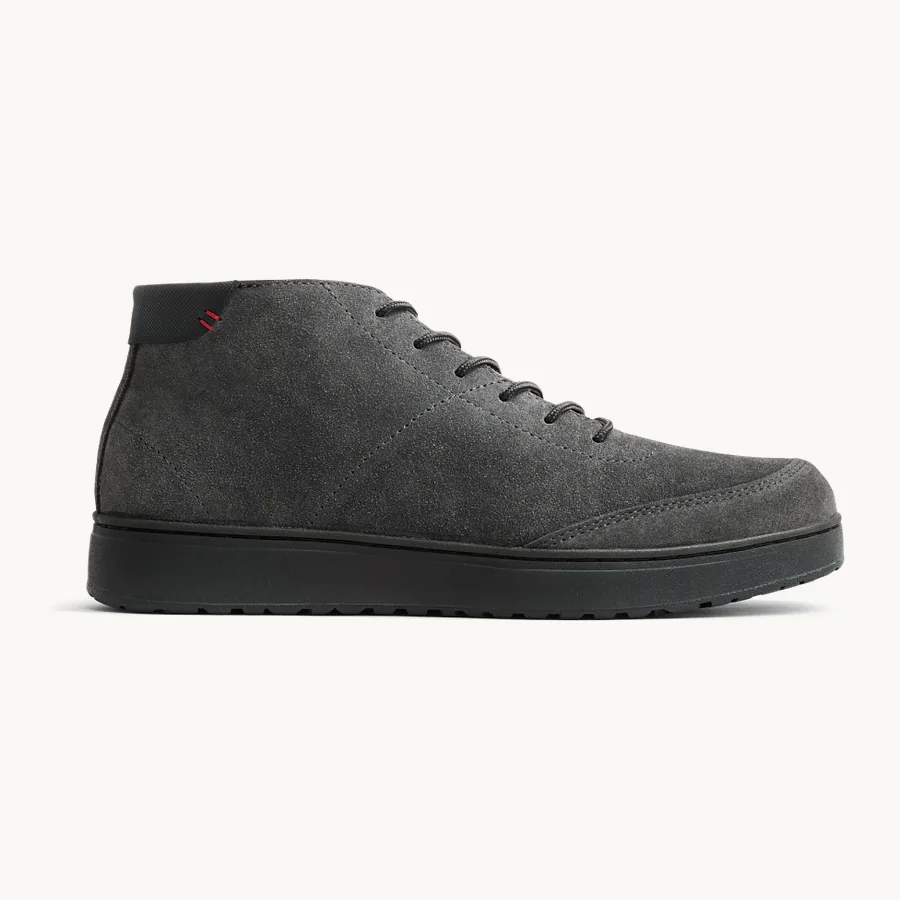
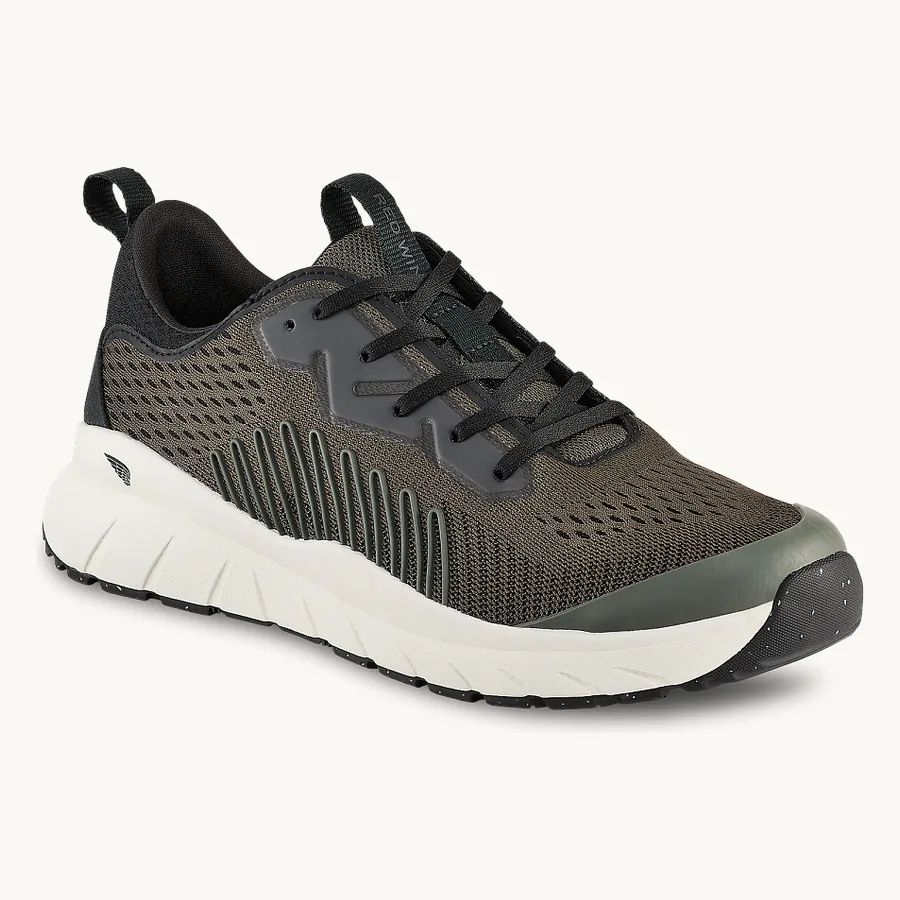


If you’re buying safety footwear, you’ve probably already asked the question: steel toe or composite toe? Both protect your feet. Both meet ASTM F2413 safety standards for impact and compression resistance. But they are built for different work environments — and picking the wrong one can cost you in comfort, compliance, or both.
What Is a Steel Toe Boot?
A steel safety toe is exactly what it sounds like: a reinforced steel cap built into the toe box of the boot. It’s the original safety toe design, has been around for over 100 years, and is still the most common choice in heavy industrial work.
Steel toe boots are best for:
- Heavy-impact environments where extremely heavy objects could fall on the foot
- Workers who don’t regularly pass through metal detectors
- Jobs where maximum protection against compression hazards is the priority
- Budget-conscious buyers — steel toe boots typically cost less than composite
The tradeoff: Steel conducts heat and cold, so your toes will feel the weather more in extreme temperatures. Steel toe boots also trigger metal detectors, which can be a daily inconvenience for workers who pass through security checkpoints at plants, government facilities, or airports.
What Is a Composite Toe Boot?
A composite toe uses non-metallic materials — typically carbon fiber, Kevlar, fiberglass, or plastic — to create a safety cap that meets the same ASTM F2413 impact and compression standards as steel, at a lighter weight and with no metal content.
Composite toe boots are best for:
- Electrical workers, linemen, and utility crews — composite toe eliminates electrical conduction risk
- Workers who pass through metal detectors daily
- Anyone working outdoors in extreme heat or cold — composite doesn’t transfer temperature
- Workers who log high step-counts and want a lighter boot
The tradeoff: Composite toe boots typically cost more. In extremely high-impact scenarios (very heavy falling objects), steel may offer marginally better protection — though both legally meet the same ASTM standard.
What About Alloy Toe?
There’s a third option: alloy toe, which uses lightweight aluminum or titanium alloys. Alloy toe boots offer the metal-free benefits of composite at a weight closer to composite — but they do contain metal, so they’ll trigger metal detectors. Red Wing carries alloy toe options in select styles.
The Bottom Line for Louisiana Workers
For most oilfield, construction, and warehouse workers in Acadiana, a steel toe EH-rated boot is the standard. For electrical workers, utility crews, and anyone at a secured facility, composite toe is the right call. When in doubt, our UFX-certified staff at our Lafayette store will assess your specific job demands and match you to the right protection level.
Stop in at 2207 Kaliste Saloom Rd, Suite 1-A, Lafayette, LA, or call us at (337) 504-2701.
Ready to find the right safety toe boot for your job? Our certified staff fits every customer using the UFX process.
